Solar panel cleaning is often overlooked, even though it has a direct effect on how much electricity you produce. Up on the roof, photovoltaic panels are exposed to pollution, agricultural dust, pollen, leaves and bird droppings. In our climate, rain is rarely enough to wash them completely: it leaves streaks and builds up dirt along the bottom of the modules. For 15 years, Toiture En Ligne has been working on roofs in Brussels, Walloon Brabant, Hainaut and Flanders, and our roofers clean solar installations safely, without damaging either the panels or the roof covering.
Why clean your solar panels?
- To recover lost output: a layer of dirt, even a thin one, reduces the light reaching the cells;
- to avoid hot spots: a dropping or a leaf covering a cell can cause local overheating and eventually damage the module;
- to protect the warranty: some manufacturers require regular maintenance and prohibit harsh products or tools;
- to spot problems: a clean panel reveals cracked glass, a loose frame or a damaged cable.
The loss of efficiency caused by dirt varies widely depending on the surroundings. It is greater near busy roads, fields and industrial sites, under trees and on panels with a low tilt, where water does not drain away well. Our article on solar panel efficiency explains how to monitor your output.
Our solar panel cleaning method
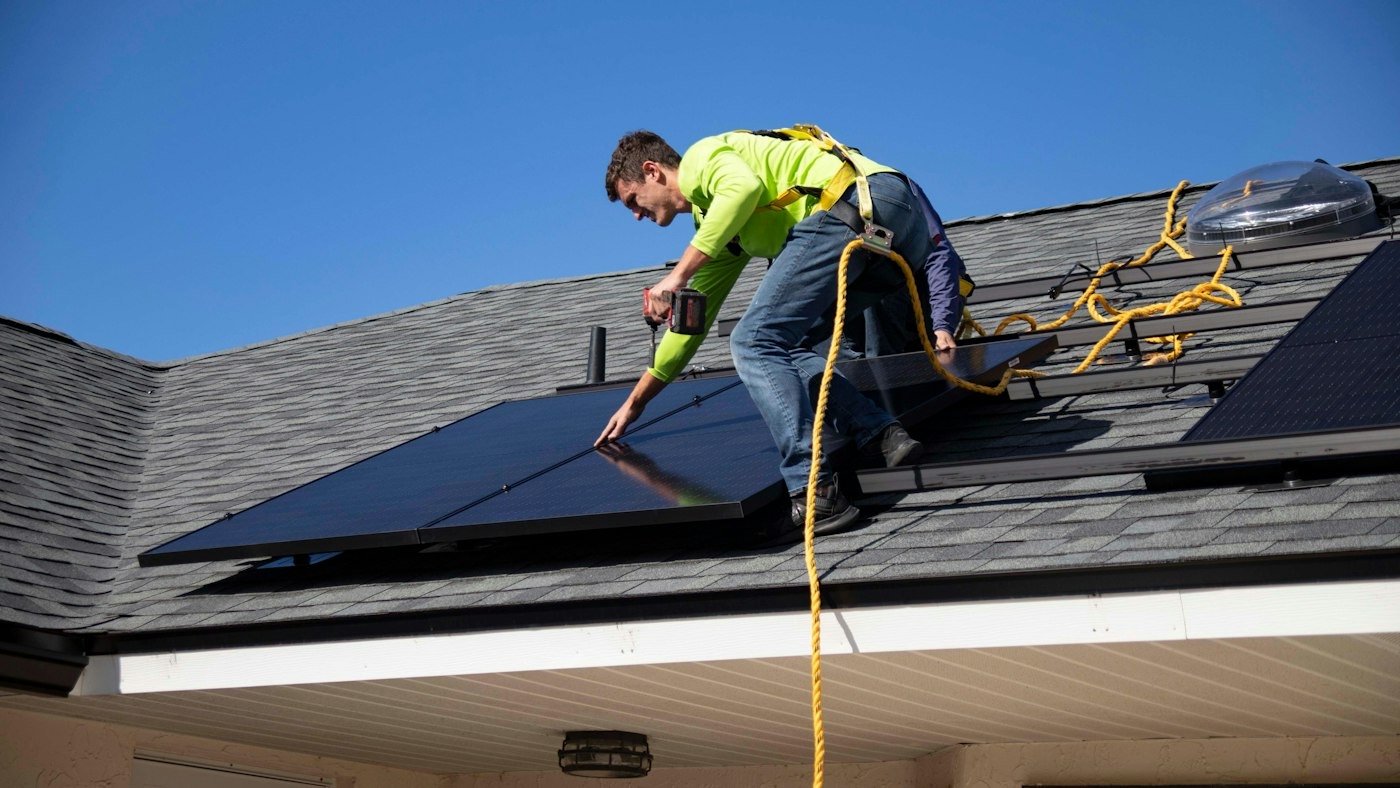
A solar panel must be cleaned gently. The wrong methods, such as household products, stiff brushes or a pressure washer, scratch the glass, damage the anti-reflective coating and can force water into the connections. This is how we work:
- Visual check of the installation and access to the roof, and a review of the output if you share your inverter data with us.
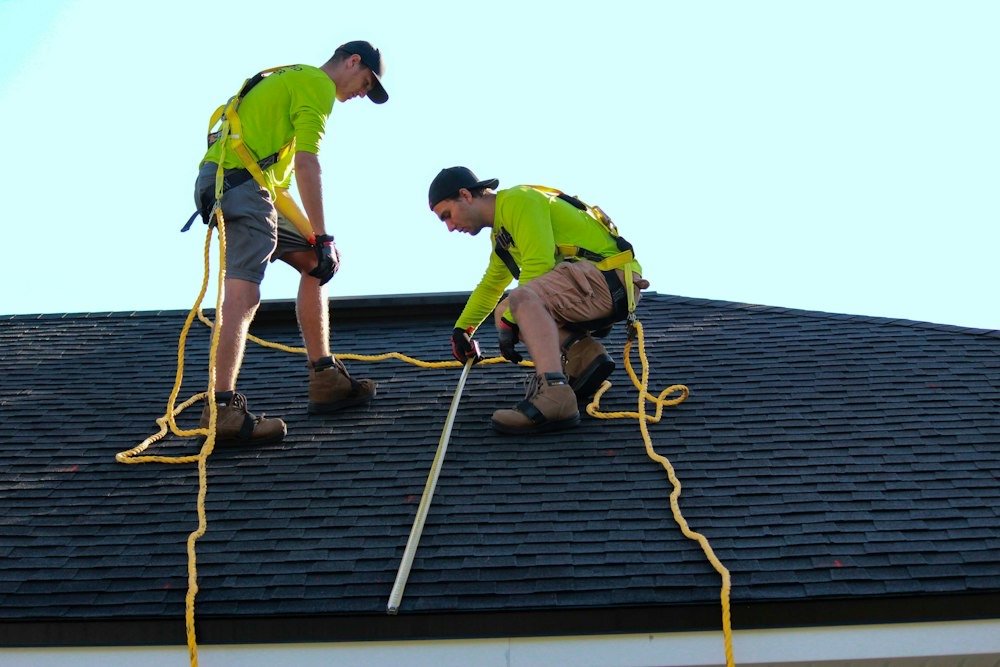
- Safety set-up: harness, anchor points, roof ladder or cherry picker, depending on the configuration.
- Washing with pure water, demineralised by reverse osmosis, which dries without streaks or limescale.
- Soft brushes with suitable bristles, mounted on a pole, without excessive pressure.
- Treatment of stubborn dirt, such as droppings or lichen on the frames, by hand.
- Inspection after cleaning: glass, frames, fixings, visible cables and the condition of the roof covering around the panels.
- Report with before-and-after photos.
Always in mild weather
We avoid cleaning scorching panels in full summer sun: the thermal shock of cold water must be avoided. The best times are the morning, the end of the day or overcast weather.
Cleaning and the roof: an extra check
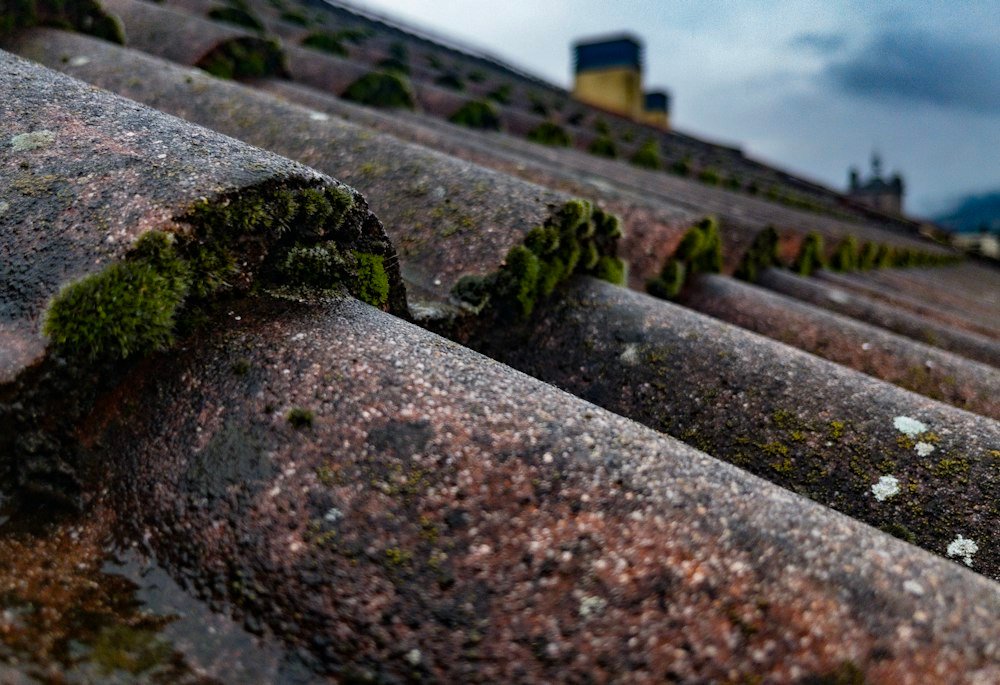
Because we are roofers first and foremost, we also look at what is happening under and around the panels. The mounting hooks pass through the roof covering: a badly cut tile, a hook that rubs or a poorly made connection can cause a leak. Leaves and moss often build up under the modules and block the gutters. Pigeons like to nest under the panels. During solar panel cleaning, we report these points and can:
- remove debris that has built up under the panels;
- fit pigeon-proofing mesh around the edge of the installation;
- replace a broken tile or remake a connection around a hook;
- clean the gutters and downpipes.
These additional services are always priced and agreed with you before they are carried out. For a roof that needs more attention, see our roof moss removal page.
How often should panels be cleaned?
There is no single rule. For most homes, solar panel cleaning every one to two years is enough. An installation close to farmland, a busy road, trees or a site where many birds nest will need more frequent cleaning. The best indicator remains your output: if it drops noticeably compared with the same period last year, with similar sunshine, cleaning and an inspection are called for. Spring, after the pollen season, and late summer are good times.
The mistakes to avoid
- Climbing onto the roof yourself: the risk of falling is real, and panels must not be walked on.
- Using a pressure washer, which can damage the seals and force water into the junction boxes.
- Using detergent, vinegar or hard water, which leave a film or streaks.
- Scrubbing with an abrasive sponge, which scratches the glass and its anti-reflective coating.
How much does solar panel cleaning cost?
The price depends on the number of panels, the height and pitch of the roof, access and how dirty the panels are. As a guide, for a typical residential installation in Belgium, allow a basic call-out fee plus a few euros per panel, excluding VAT. We give you a fixed price once we have seen the installation, from photos or on site. A regular maintenance contract gives you a more favourable rate.
Solar panels and roof renovation
If your roof needs renovating, it is better to do so before installing panels, or to take the opportunity to remove and refit them at the same time. We coordinate this operation with your installer, for a roof renovation without any loss of warranty. On a flat roof, we ensure the waterproofing around the supports: see flat roof.
Why choose us for solar panel cleaning?
- Roofers trained to work at height and equipped for safety;
- pure water and soft brushes, with no harsh products;
- a check of the roof and the fixings at every visit;
- before-and-after photos and a clear report;
- coverage across the whole area: Brussels, Walloon Brabant, Hainaut and Flanders.
For owners with several installations or for co-ownerships, we draw up a tailored maintenance schedule so that the panels are cleaned at the right time and the roof is inspected at the same visit. Your investment keeps paying off, year after year.
Frequently asked questions
Isn’t rain enough to clean the panels?
It removes some of the dust, but not droppings, stuck-on pollen or the greasy film caused by pollution. It also leaves deposits along the bottom of the panels, especially when they have a low tilt.
Can cleaning void my warranty?
Cleaning with pure water and a soft brush complies with manufacturers’ usual recommendations. It is harsh products and tools that can cause problems.
Does the installation need to be switched off during cleaning?
We follow the safety instructions for the installation. Pure water and soft brushes make it possible to work without risk to the components, which are designed to withstand rain.