A slate roof is one of the noblest and most durable roof coverings there is. You will find it on the townhouses of Brussels, the villas of Walloon Brabant, the farms between the Sambre and the Meuse, and on many recent homes looking for a sober, contemporary finish. For 15 years, the roofers at Toiture En Ligne have been installing, renovating and repairing slate roofs throughout Belgium, with the meticulous craftsmanship this material demands.
Natural slate or fibre cement slate?
Natural slate
Quarried, then split and cut to size, natural slate is a stone. It is unaffected by frost and UV light, keeps its colour and can last for more than a century when it is of good quality and correctly installed. Thickness, colour and origin vary, so we recommend certified slates suited to the Belgian climate.
Fibre cement slate
Made from fibre cement, artificial slate is lighter, more uniform and more economical. It is well suited to renovations on a controlled budget and to roof structures that could not carry a heavy load. Its lifespan is shorter than that of natural slate, but still comfortable.
Beware of old fibre cement slates
Fibre cement slates installed before 1998 may contain asbestos. Their removal is subject to strict rules. Our article on the asbestos roof explains the steps to follow.
Slate roof installation techniques
Hook fixing
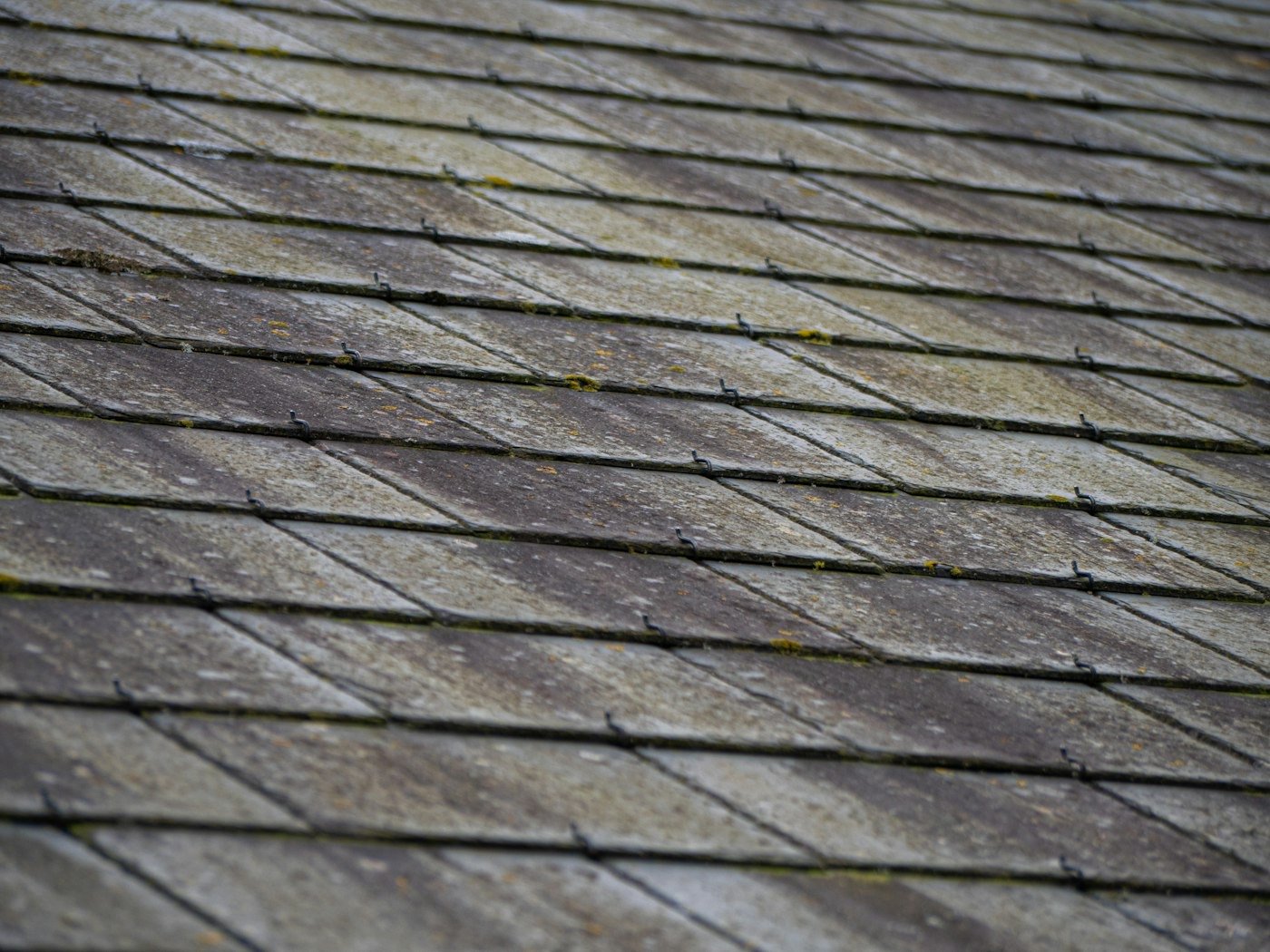
Each slate is held in place by a stainless steel hook fixed to the battens. This is the most common technique in Belgium: fast, precise and easy to repair, since a single slate can be replaced without disturbing its neighbours. The hook can be coloured to remain discreet.
Nail fixing
The more traditional nail fixing method secures each slate with two copper or stainless steel nails. The result is perfectly uniform, with no visible hooks. It takes more time and precise expertise, and is often carried out on timber boarding.
Formats and decorative patterns
Rectangular slates, fish-scale or diamond-shaped slates, laid straight or diagonally: slate allows for many finishes, which are sometimes required on listed buildings or in conservation areas. We respect the original models when planning rules demand it.
Our work
- Complete installation of a new slate roof, with underlay, counter-battens, battens and zinc work.
- Renovation of an existing covering, with sarking insulation: see roof insulation.
- Repair of broken, slipped or missing slates, and replacement of corroded hooks.
- Replacement of old fibre cement slates with natural slate or recent models.
- Associated zinc work: valleys, ridges, verges and chimney flashings. See guttering and zinc work.
The stages of a project
- Inspection of the roof structure, checking the pitch and load-bearing capacity.
- Installation of the underlay and the ventilated counter-battens.
- Battening at a gauge calculated according to the slate format and the pitch.
- Setting out the courses for perfect alignment.
- Laying the slates with hooks or nails, from the eaves up to the ridge.
- Zinc junctions, ridge and verges.
- Final inspection, clean-up and handover of the written guarantees.
Pitch and technical requirements
A slate roof requires a steeper pitch than a roof covered with interlocking tiles: below a certain threshold, water can be drawn up between the slates by capillary action. The overlap must be increased on low pitches or on very exposed sites. We calculate these parameters for each roof slope. For a pitch that is too low, standing seam zinc or a flat roof may be more suitable.
Slate and insulation
Renovating a slate roof is the ideal moment to insulate your roof thoroughly. Since the slates have to be removed anyway, we lay sarking boards on top of the rafters before the new battens and slates go on. You keep the full height of your loft and thermal bridges disappear. We carefully finish the slight rise in the roof line at the verges, the cornice and the junction with neighbouring roofs.
How much does a slate roof cost?
| Work | Indicative price range excluding VAT |
|---|---|
| Fibre cement slates, strip-off and re-laying | €90 to €140 per m² |
| Natural slates with hooks, strip-off and re-laying | €130 to €200 per m² |
| Natural slates with sarking insulation | €220 to €330 per m² |
| Replacement of individual slates | quoted after a visit |
A slate roof costs more than a tiled roof, but its exceptional lifespan makes it very competitive over time. These price ranges are indicative: the origin of the slate, the complexity of the roof and access all affect the price. For a home that is more than ten years old, reduced VAT at 6% may apply.
Slate, heritage and planning rules
In many municipalities in Brussels and Wallonia, natural slate is part of the identity of historic neighbourhoods. When a building is located in a conservation area, listed in the heritage inventory or subject to local planning regulations, the colour, the format and sometimes even the fixing technique are imposed. Replacing a natural slate roof with fibre cement slates, or changing the original format, may then require planning permission.
Before every project, we check the applicable constraints with you and, if necessary, prepare the photos and technical data sheets needed for your application. We know how to reproduce traditional details such as slate verges, closed valleys, sprocketed eaves and bell-cast transitions, which are often found on townhouses.
Why entrust your slate roof to us?
- 15 years of roofing experience, including on steep roofs and historic buildings;
- certified slates and stainless steel hooks, with technical data sheets supplied with the invoice;
- a single site manager and photos at every stage;
- written guarantees on labour and materials;
- a free, itemised quote after an on-site visit.
Maintaining a slate roof
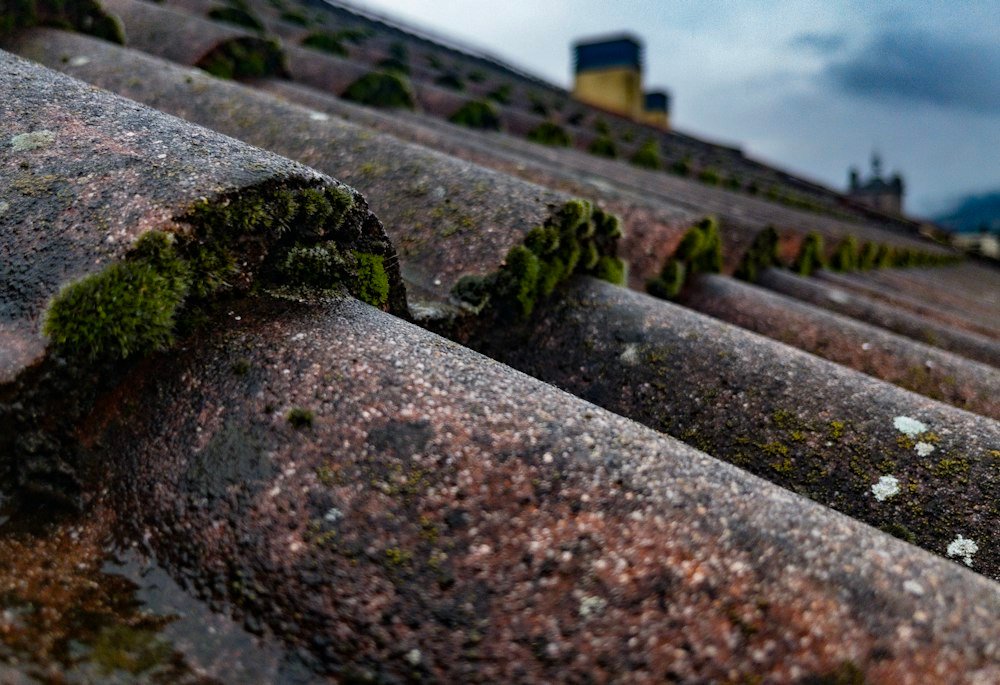
Natural slate requires very little maintenance. Regular inspections make it possible to replace a cracked slate or an opened hook before a leak appears. Moss clings less to slate than to tiles, but moss removal can be useful on north-facing slopes. Our roof maintenance guide gives you the right habits.
Frequently asked questions
How long does a slate roof last?
A good-quality natural slate can last more than a hundred years; a recent fibre cement slate generally lasts several decades. Hooks, underlay and zinc work sometimes need attention before the slates themselves.
Can tiles be replaced with slates?
Yes, if the pitch is sufficient and local planning rules allow it. This change of appearance may require planning permission.
Are all natural slates the same?
No. Their mineral content, thickness and strength vary from one quarry to another. We work with certified slates and give you the technical data sheet.