The tiled roof is part of the Belgian landscape: from the Flemish pantiles of old farmhouses to the flat tiles of modern villas, it suits almost every style of architecture. Strong, economical and easy to repair, a tiled roof protects a house for decades when it is properly installed. For 15 years, Toiture En Ligne has been installing and renovating tiled roofs in Brussels, Walloon Brabant, Hainaut and Flanders, taking the same care over a small roof slope as over a large hipped roof with four sides.
The different types of roof tiles
Clay tiles
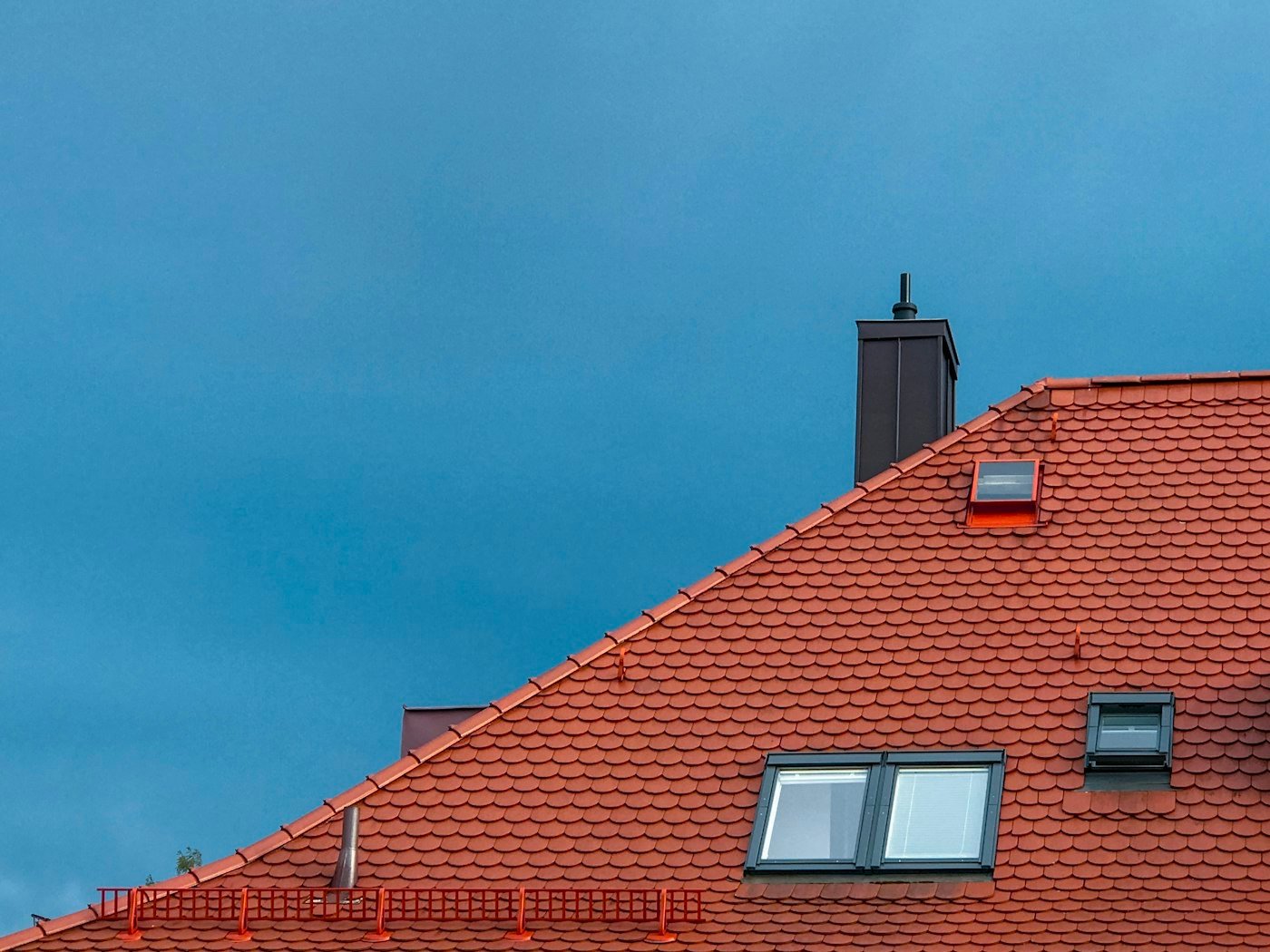
Made from clay fired at high temperature, clay tiles are durable, keep their colour and age beautifully. They come in natural, engobed or glazed finishes, in shades ranging from traditional red to anthracite. Properly laid and maintained, a clay tile roof commonly lasts more than fifty years.
Concrete tiles
Heavier and more economical, concrete tiles are highly resistant to impact and frost. Their colour, applied to the surface, may fade over the years, but their value for money makes them an excellent option for a renovation on a controlled budget.
Common models in Belgium
- The Flemish pantile, with its wavy profile, typical of older houses and farmhouses;
- the interlocking tile, quick to lay and very watertight;
- the flat tile, with a clean, contemporary look close to that of slate;
- large-format tiles, which reduce the number of pieces and the installation time.
When the local council requires the original appearance to be preserved, we look for the model and colour that most closely match the existing roof.
Our work on your tiled roof
Installing a new tiled roof
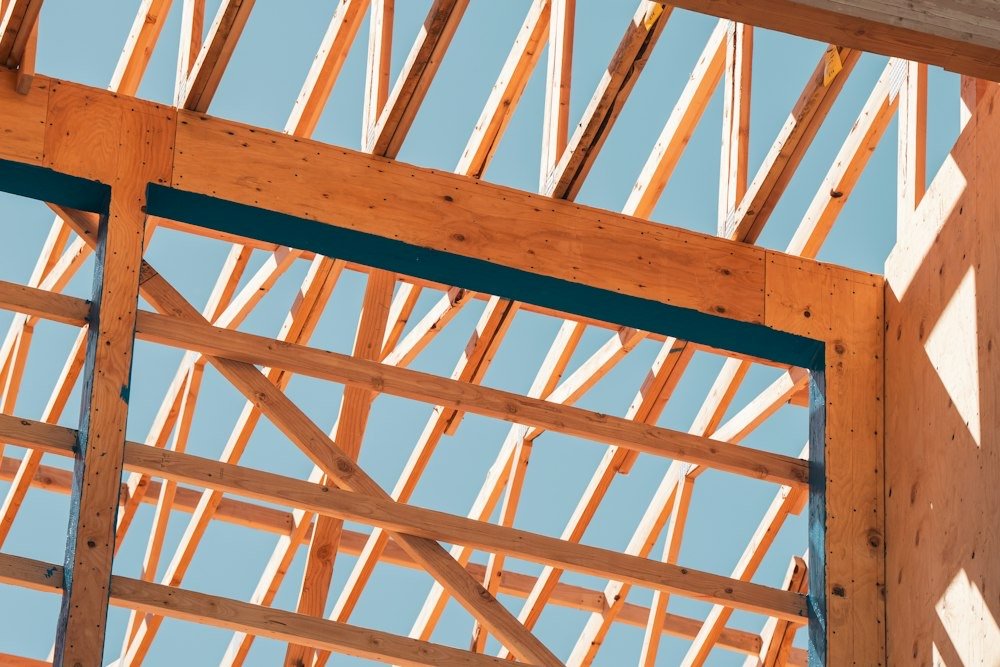
For a new build, an extension or a complete roof renovation, we install the whole roof build-up: breathable underlay, counter-battens, graded battens, tiles, ventilation accessories, ridge tiles and verge tiles. We respect the gauge, the minimum pitch and the fixings specified by the manufacturer for your wind zone.
Replacing the roof covering
When the tiles have become porous or frost-damaged, or when the underlay has reached the end of its life, we strip the old covering and lay a brand-new tiled roof. It is also the ideal opportunity to insulate with sarking: see our roof insulation page.
Repairing and replacing tiles
A tile broken by hail, a loose ridge tile or a verge torn off by the wind does not mean the whole roof has to be redone. We respond quickly to replace the damaged pieces and restore the roof’s watertightness. See our roof repair page.
Ridges, verges and accessories
Ridge tiles and verges are the most exposed points of a tiled roof. We favour dry-fix, ventilated and mechanically fixed ridge systems, which last longer than mortar, together with clip-on interlocking verge tiles.
The stages of a properly installed tiled roof
- Inspection of the roof structure and of the flatness of the roof slopes.
- Installation of a breathable underlay, with careful overlaps and junctions.
- Installation of the counter-battens, which create a ventilated air gap under the tiles.
- Installation of the battens at the exact gauge of the chosen tile model.
- Laying of the tiles, with fixings adapted to the wind exposure.
- Zinc junctions: valleys, flashings, verges and eaves.
- Ventilated ridge, eaves combs and finishing, followed by a full clean-up of the site.
Underlay and ventilation: the details that make a tiled roof last
The tile is only the visible part of the roof covering. Underneath, the underlay collects water driven in by the wind and fine powder snow, and protects the structure from moisture. We install breathable underlay membranes, which are watertight but vapour-permeable, allowing the roof timbers and the insulation to dry out.
Between the underlay and the tiles, the counter-battens create an air gap. Air enters at the eaves, behind a bird comb, and leaves at the ridge through ventilated ridge closures. This circulation removes moisture, limits moss growth from underneath and prevents the tiles from freezing while waterlogged. It is often the lack of ventilation, far more than the quality of the tiles themselves, that explains why a tiled roof ages prematurely.
How much does a tiled roof cost?
As a guide, here are the price ranges excluding VAT that we see in Belgium for a tiled roof:
| Work | Indicative price range |
|---|---|
| Concrete tile covering (strip-off and re-laying) | €80 to €120 per m² |
| Clay tile covering (strip-off and re-laying) | €100 to €160 per m² |
| With sarking insulation | €170 to €260 per m² |
| Replacement of individual tiles | from a fixed call-out fee |
The actual price depends on the tile model, the complexity of the roof (valleys, dormers, chimneys), access to the property and the scaffolding required. Only a visit allows us to give you an accurate quote, and that visit is free of charge.
Tiles or slates?
A tiled roof is generally more affordable and quicker to install than natural slate, and interlocking tiles can be used on lower pitches. Slate offers a finer finish and an exceptional lifespan, but it costs more. Our article on tiles or slates helps you decide, and our slate roof page presents the alternative.
Maintaining a tiled roof
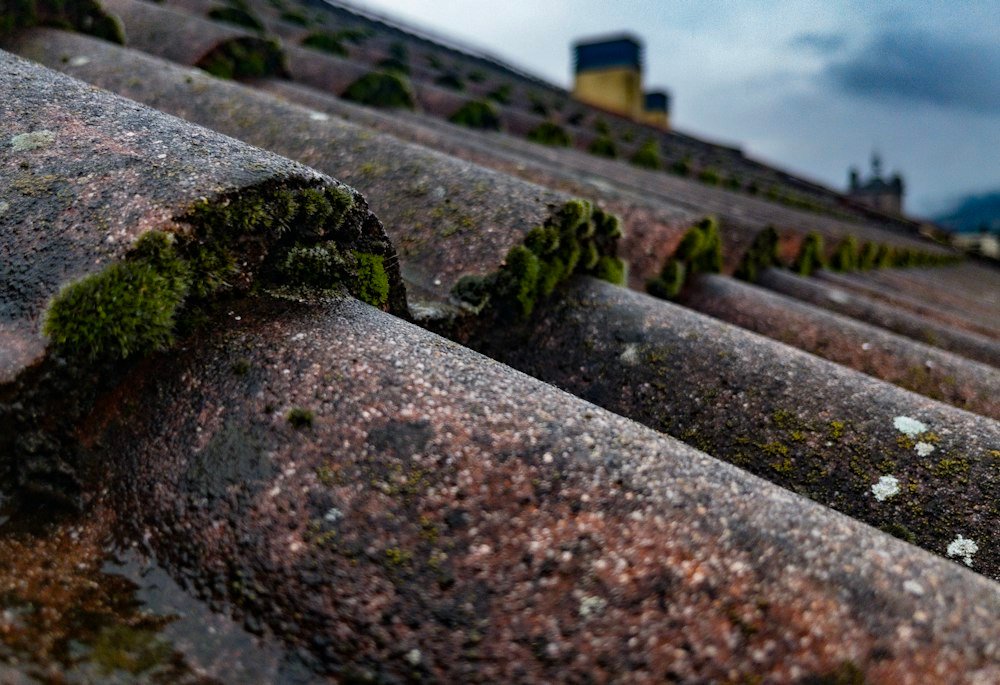
An inspection every two to three years, and after every severe storm, makes it possible to spot a displaced tile or a blocked gutter in good time. When moss takes hold, gentle moss removal followed by a water-repellent treatment extends the life of the tiles. Our roof maintenance guide offers a simple calendar to follow throughout the year.
Why Toiture En Ligne?
15 years of experience, a single site manager, photos at every stage, written guarantees on labour and materials, and a free quote after an on-site visit.
A clean, well-managed project
Every project is managed by a single site manager, your only point of contact from the quote to the handover. We protect the surroundings, sort the waste and reuse sound tiles whenever possible, for example on an outbuilding or a garden shed. You receive photos at every stage, including of the parts of the roof that will later be covered up.
Frequently asked questions
How long does a tiled roof last?
Clay tiles often last more than fifty years, concrete tiles between thirty and fifty years. The actual lifespan depends mainly on the quality of the underlay, the ventilation and the maintenance.
Can I change to a different tile model?
Yes, provided the roof structure can carry the new weight and the local planning rules allow it. Changing the appearance of the roof may require a permit, so we check this with you beforehand.
Do all the tiles need replacing if a few are broken?
No. If the underlay and most of the tiles are sound, replacing the damaged tiles is enough. We will tell you honestly during the visit.