Storm damage to roofs has become a regular occurrence in Belgium. Every winter, and increasingly during summer thunderstorms, gusts tear off tiles, slates, ridge tiles and gutters, and branches or trees fall onto houses. In the hours that follow, many owners wonder where to start. Here are the steps to follow, in order, to protect your home and be properly compensated.
Step 1: stay safe
- Stay indoors while the storm is blowing.
- Keep away from the facades: tiles or pieces of chimney may still fall.
- If a tree or branch has fallen on the house, do not go near it, and call the emergency services if the structure seems affected.
- Switch off the electricity in rooms where water is getting in.
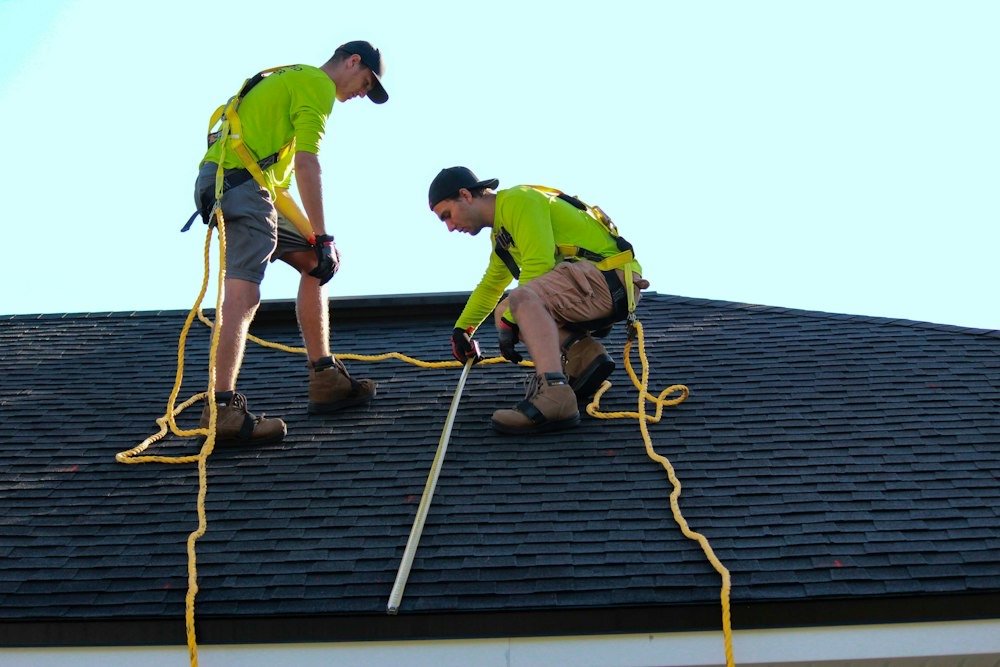
- Never climb onto the roof: that is a job for an equipped professional.
Step 2: assess the storm damage
Once the wind has dropped, walk around the house and look at the roof from the ground, with binoculars if necessary:
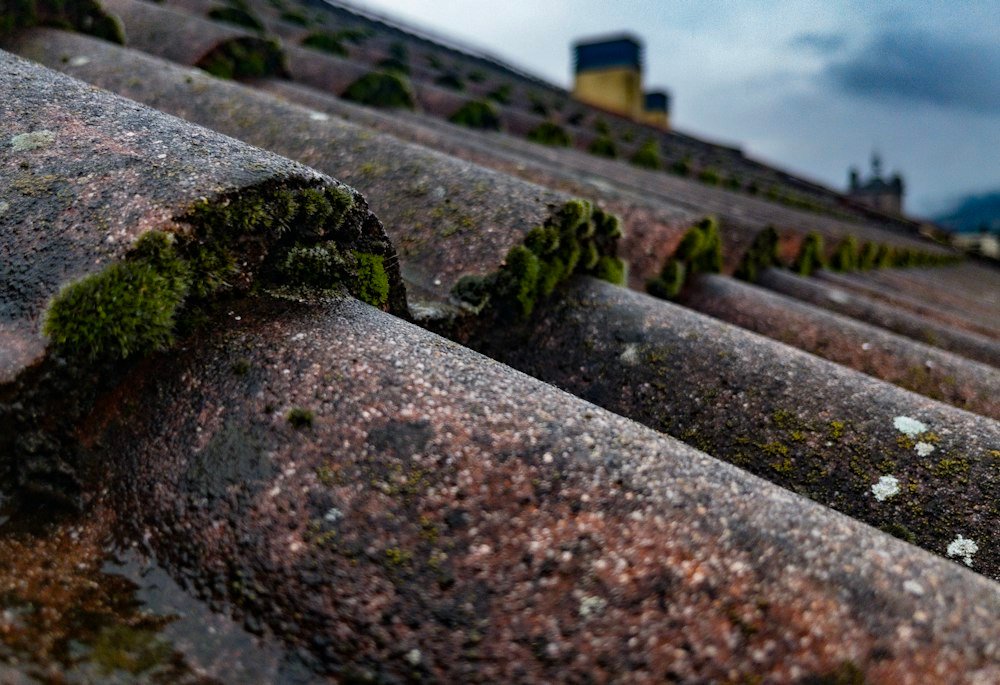
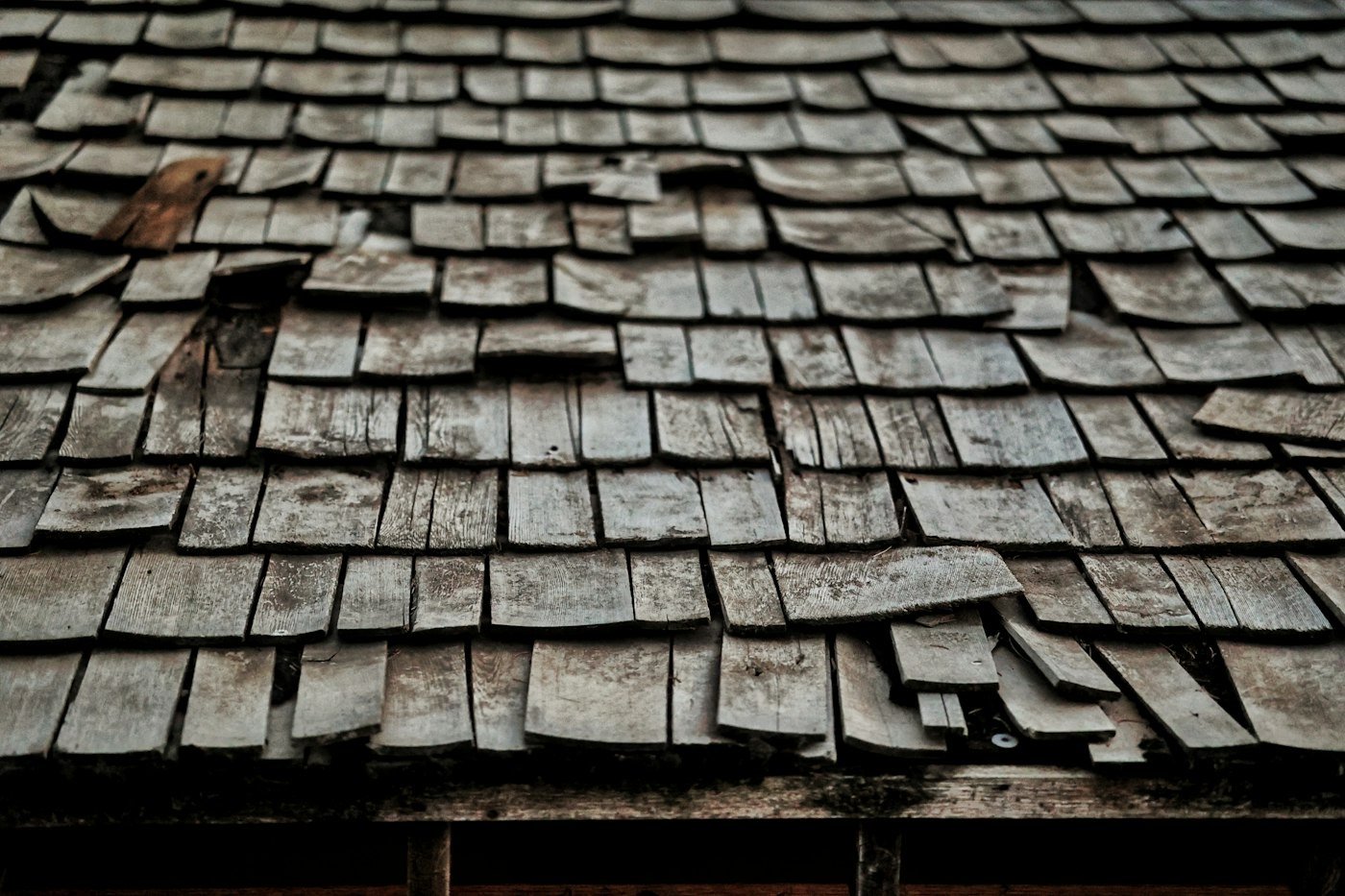
- missing, displaced or broken tiles or slates;
- ridge tiles torn off;
- lifted verges;
- gutters dislodged or torn away;
- a damaged chimney or detached flashing;
- an aerial or solar panels that have moved;
- a lifted membrane on a flat roof.
Then go up into the loft with a torch: daylight visible through the covering, torn underlay, water on the insulation. Finally, check the ceilings of the rooms under the roof.
Step 3: document everything
Before any repair, take plenty of dated photos and videos: the roof from several angles, the debris on the ground, the damage inside and damaged belongings. Keep the debris, such as broken tiles, as evidence. Note the date, the approximate time and the weather conditions. All of this is valuable for your insurer.
Step 4: have the house made watertight
The priority is to stop the next rainfall making the damage worse. A roofer makes the roof temporarily watertight: tarpaulin, temporary replacement of missing elements, clearing the gutters. This emergency call-out is normally covered by insurance, as it limits the loss. Keep the invoice.
Your duty to limit the damage
Insurance policies generally require the policyholder to take reasonable steps to prevent the damage getting worse. Having the roof made watertight quickly is part of that.
Step 5: report the claim to your insurer
Storm damage is generally covered by your home fire insurance, under the terms of your policy. Report the claim as quickly as possible, within the time limit, enclosing:
- the photos and videos;
- a description of the damage;
- the invoice for making the roof watertight;
- the roofer’s detailed repair quote;
- where applicable, a call-out report describing the cause of the damage.
For a major claim, the insurer may send a loss adjuster. Wait for their visit before carrying out permanent repairs, except in an emergency, and keep evidence of the initial situation.
What insurance covers, and what it does not
Policies usually cover damage caused directly by storms, hail, the weight of snow or a falling tree. However, damage due to wear, lack of maintenance or a construction defect is often excluded. A tile blowing off a roof at the end of its life may therefore lead to a discussion with the insurer. Hence the value of regular maintenance, backed up by invoices. Our roof maintenance guide helps you plan it.
Some policies also set wind-speed thresholds or specific excesses. Reread your terms and conditions, or ask your broker for advice.
Step 6: have it repaired properly
Once the insurer has agreed, the permanent repair can be carried out: replacing tiles or slates, re-fixing or replacing ridge tiles, repairing verges and zinc work, checking the underlay and any wet insulation. It is also an opportunity to improve your roof’s wind resistance, for example with extra fixings or a dry, ventilated ridge system.
Preparing your roof for the next storms
- Have the roof inspected in autumn, before the storm season.
- Replace ridge tiles bedded in cracked mortar with a mechanically fixed ridge.
- Check the fixings of tiles at the verges and edges, the most exposed areas.
- Prune trees overhanging the house.
- Check aerials and solar panels.
- Clean the gutters so heavy rain can drain away.
Storm damage on a flat roof
Flat roofs suffer in storms too, in a different way. Wind can lift a poorly bonded or poorly ballasted membrane, tear off an edge trim or move the protective gravel. The heavy rain that comes with thunderstorms tests the outlets: a blocked outlet turns the roof into a pond, and the water eventually spills over an upstand. After a storm, check that the membrane shows no new blisters or creases and that water drains normally.
Beware of door-to-door sellers
After every storm, door-to-door sellers offer immediate repairs, sometimes at excessive prices or for unnecessary work. Take the time to call on a known, registered and insured company that gives you a written quote. Our article on how to choose a roofer lists the checks to make.
Frequently asked questions
How long do I have to report storm damage?
The time limit depends on your policy. Report the claim as soon as possible, ideally within the following days, to avoid any dispute.
My neighbour’s tree fell on my roof: who pays?
Your home insurance generally pays for your damage, then may recover the cost from the neighbour or their insurer if fault is established. Report the claim to your insurer.
Can I have repairs done before the loss adjuster visits?
Urgent measures, such as making the roof watertight, can be carried out immediately. For the permanent repair, wait for the agreement of the insurer or adjuster, and keep all the evidence.
In summary
When faced with storm damage: make safe, assess, document, have the roof made watertight, report it, then have it repaired properly. Our roofers provide emergency call-outs in Brussels, Walloon Brabant, Hainaut and Flanders and give you a report that is useful for your insurer. Discover our roof repair service or call 0486 67.98.78.