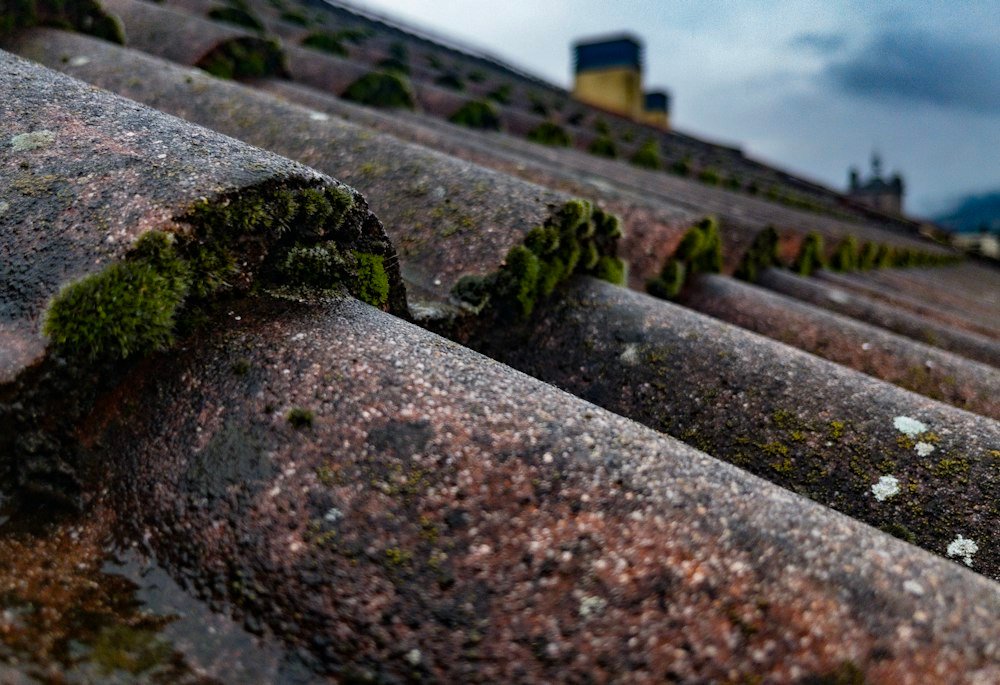
Dealing with moss on your roof is part of the normal upkeep of a Belgian home. Our mild, damp climate is ideal for moss, lichen and algae, which readily colonise north-facing slopes, roofs shaded by trees and porous tiles. They are often thought of as a purely cosmetic issue. In reality, they damage the covering slowly but surely. Here is how to tell when to act, and how to do it without harming your roof.
Why moss on your roof causes damage
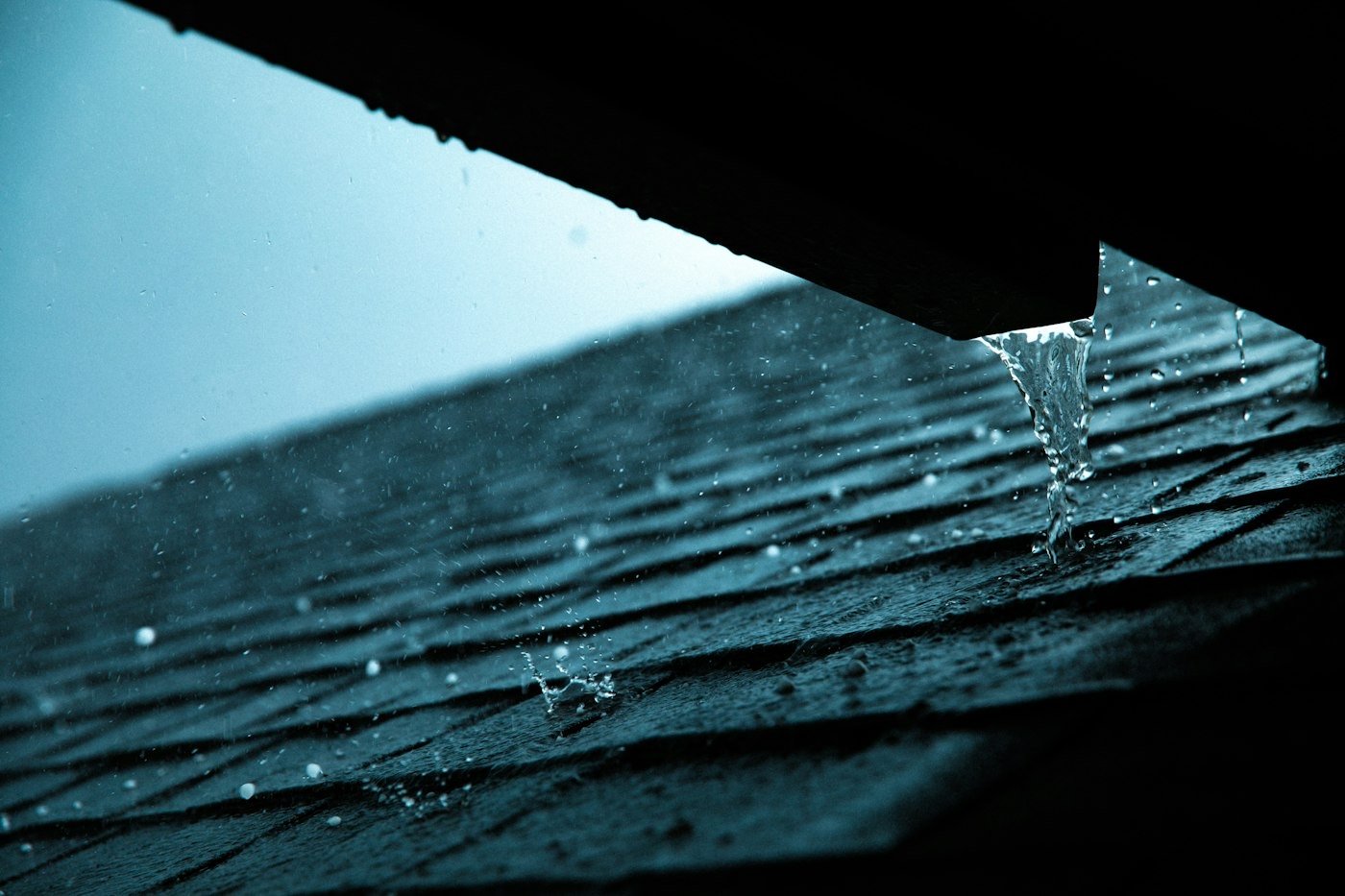
Moss works like a sponge. It holds rainwater against the tile for days, where a clean roof would dry in a few hours. The consequences add up:
- Frost: water absorbed by the tile freezes, expands and causes cracking and flaking.
- Water backing up: thick cushions of moss lift the tiles and form dams, pushing water under the overlaps.
- Blocked gutters: moss washed off by the rain ends up in the gutters and downpipes.
- Accelerated ageing: the microscopic roots of lichen attack the surface of tiles and slates.
The longer you wait, the more delicate the cleaning becomes, and the greater the risk of having to replace tiles.
How often should moss on your roof be removed?
There is no universal schedule: it all depends on exposure. Here are a few benchmarks:
- Open, sunny roof: an inspection every two or three years is enough, and moss removal is sometimes never needed.
- North-facing slope or house near trees: moss removal every five to eight years, with an anti-moss treatment in between.
- Heavily shaded roof on the edge of woodland: closer monitoring and a regular preventive treatment.
The best indicator remains visual: as soon as the moss forms cushions more than a centimetre thick or the tiles turn largely green, it is time to act.
When to remove moss
The best periods are spring and late summer or early autumn. You need a few days of dry weather so that the products can work and the roof can dry if a water-repellent is applied. Avoid frosty periods, intense heat and days with strong wind, which disperses the products.
Moss removal methods
Manual brushing
This is the basis of any serious moss removal. Thick moss is scraped and brushed off by hand, without damaging the surface of the tiles. It takes longer, but it is the gentlest method.
Low-pressure cleaning
After brushing, a low-pressure rinse removes the residue. The pressure is adapted to the material: noticeably lower on concrete tiles or old tiles, which are fragile.
Anti-moss treatment
A biocide is sprayed onto the roof. It works over time on the remaining spores and roots, and the dead moss is then gradually washed away by the rain. Used on its own on a lightly soiled roof, it provides gentle, preventive maintenance.
What not to do
- Use a pressure washer at close range: it strips the tiles, makes them porous and forces water under the covering.
- Use bleach or household products, which damage the zinc work, plants and sometimes the tile.
- Walk on a wet roof: it is the leading cause of accidents.
Water-repellent treatment: useful or a gimmick?
A water-repellent is a colourless product that waterproofs the tile while letting it breathe. It is genuinely useful on concrete tiles and on old or porous clay tiles: it limits water absorption, slows the return of moss and reduces frost damage. On the other hand, it brings nothing to a new tile, a glazed tile or a natural slate.
Beware of miracle promises
A water-repellent does not repair a cracked tile, does not replace an underlay and does not “renovate” a roof at the end of its life. Be wary of door-to-door sellers offering a coloured coating presented as a renovation: the roof underneath is just as old.
Moss on your roof: DIY or a professional?
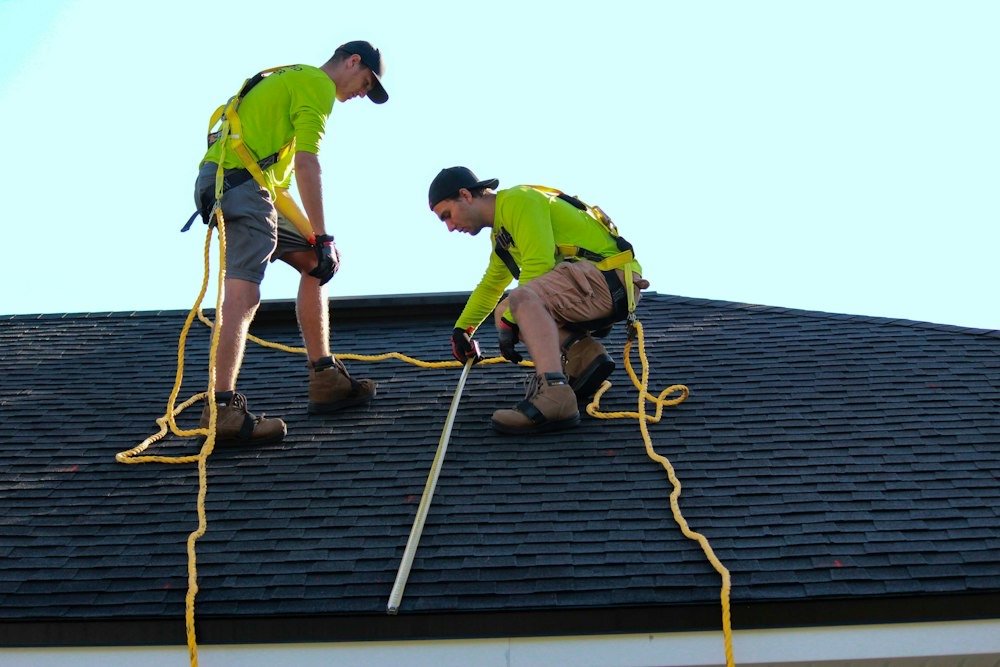
The anti-moss treatment of a small single-storey outbuilding can be done yourself, with care. For the roof of a house, we strongly advise against climbing up without safety equipment. A professional also brings a roofer’s eye: during cleaning, they replace broken tiles, re-fix ridge tiles and spot weak points. Our roof moss removal service always includes this check.
How much does moss removal cost?
As a guide, in Belgium, moss removal with low-pressure cleaning costs between €12 and €25/m² excluding VAT, an anti-moss treatment alone between €5 and €10/m², and a water-repellent between €8 and €15/m². The price depends on the area, pitch, height and condition of the roof. For a home more than ten years old, reduced VAT at 6% may apply.
Preventing moss from coming back
- Prune branches that overhang the roof and deprive it of sunlight.
- Clean the gutters every autumn.
- Apply a preventive anti-moss treatment every two or three years on exposed slopes.
- Have the roof inspected after every major storm.
Our roof maintenance guide offers a complete schedule.
Frequently asked questions about moss on your roof
Can moss removal cause leaks?
A badly aimed pressure washer can push water under the tiles and dislodge elements. Manual brushing followed by a low-pressure rinse, carried out by a roofer, carries no such risk.
Should you remove moss before selling your house?
A clean roof reassures buyers and, above all, reveals the real condition of the covering. It is often the occasion for a useful inspection report to add to the sale file.
How long does it take to remove moss from a roof?
For a single-family home, allow one to two days in general, depending on the area, pitch and how dirty it is, plus drying time if a water-repellent is applied.
In summary
Moss on your roof that is removed gently, with a sound method and a suitable follow-up treatment, can extend the life of your covering by several years. Done badly, moss removal can cause more damage than the moss itself. If your roof is turning green, have it inspected: our roofers work in Brussels, Walloon Brabant, Hainaut and Flanders and will give you a free quote.