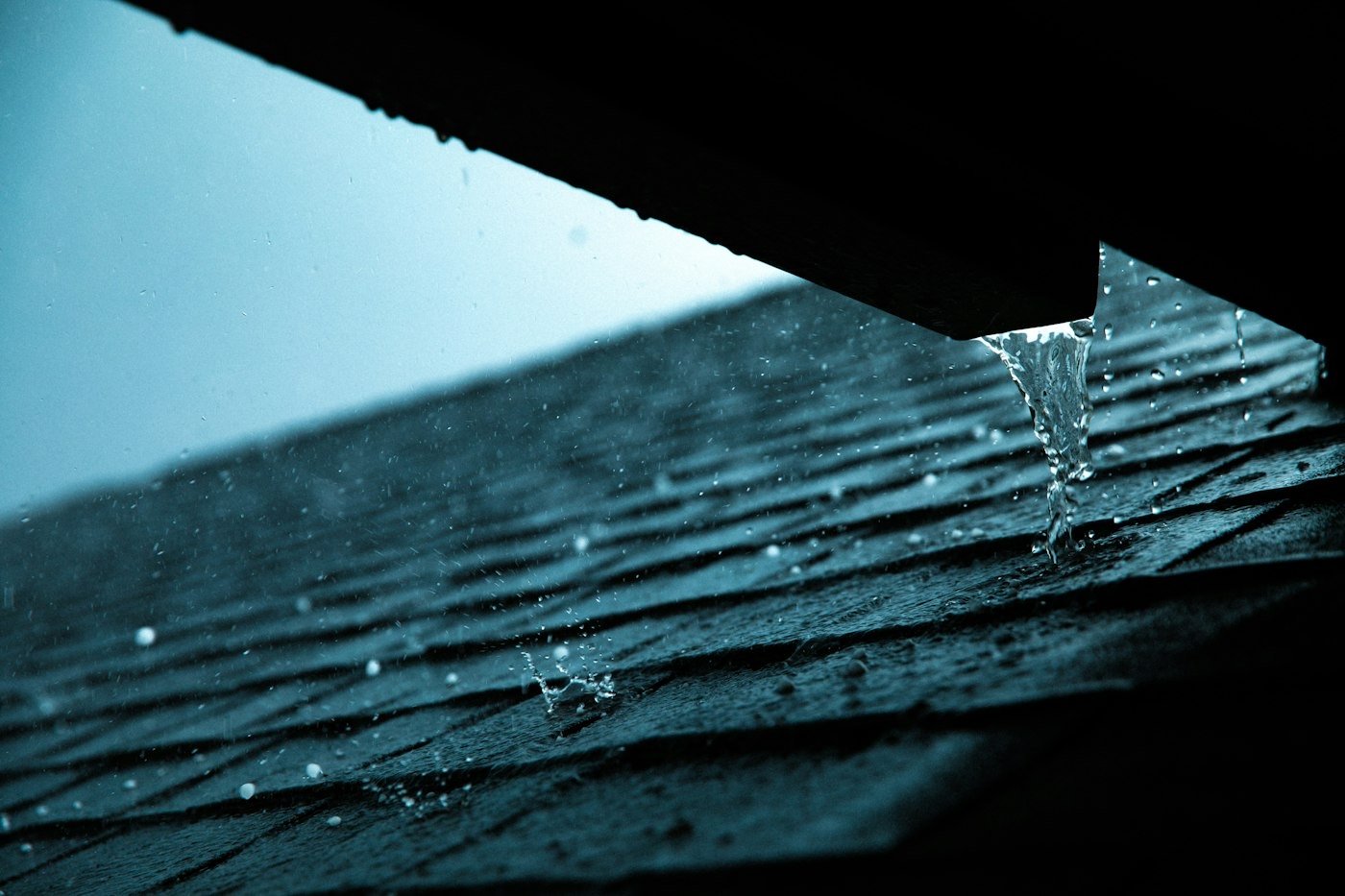
A roof leak rarely comes at a convenient time. You often discover it during a storm, on a Sunday evening, as a brown ring on the ceiling or drips falling in the loft. The first reaction is worry, and that is normal: water coming in through the roof can damage insulation, ceilings, electrics and eventually the roof timbers. But with the right reflexes, you can greatly limit the damage. Here is what to do, in order.
What to do straight away when you have a roof leak
- Protect your belongings: move furniture, electronic devices and rugs, and place a bucket or bowl under the drip.
- Make the electrics safe: if water is approaching a light fitting, socket or junction box, switch off that circuit at the fuse box.
- Relieve the ceiling: if a pocket of water forms in a plaster ceiling, carefully pierce it in the centre with a container underneath, to stop it collapsing.
- Go up into the loft if it is accessible and safe: find where the water is getting in and place a tarpaulin or container.
- Take photos: ceiling, walls, damaged items and, if possible, the outside of the roof from the ground.
- Call a roofer to make the roof watertight, then notify your insurer.
Never climb onto the roof yourself
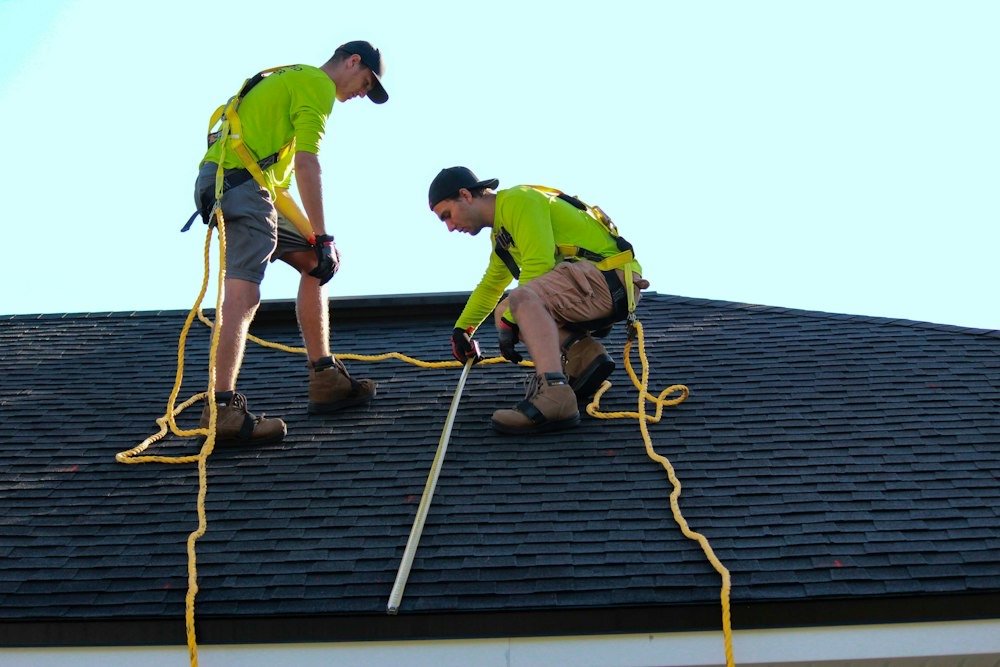
A wet roof is extremely slippery, and wind makes balance precarious. Every year, serious falls happen during improvised repairs. Leave that part to an equipped professional.
Where does a roof leak come from?
Water dripping from the ceiling almost never comes in vertically. It follows the rafters, the insulation or the underlay, sometimes for several metres, before it falls. Here are the most common causes, which our roofers check first:
- the chimney flashing, cracked or detached, the number one cause;
- a valley that is damaged, where two roof slopes meet;
- a roof window whose flashing or seals are worn;
- a tile or slate that is broken, has slipped or has blown away after a storm;
- a ridge tile that has come loose;
- a blocked gutter overflowing into the cornice or under the covering;
- a flat roof upstand that has come away, or a cracked membrane;
- condensation, which mimics a leak when insulation has been installed without a vapour barrier.
Roof leak or condensation?
If the marks appear mainly in cold, dry weather, and not during rain, it is probably condensation: water vapour produced in the house passes through the insulation and condenses against the cold underlay. The cure is not a repair to the covering, but a correction of the insulation and vapour barrier, along with better ventilation.
Leaks you cannot see
Not every roof leak leaves a stain on the ceiling. In an unconverted loft, water can seep into the insulation or along a purlin for months without anyone noticing. A musty smell, compressed or blackened insulation and white marks on the timbers are all signs to take seriously. A quick look in the loft after heavy rain remains the best habit.
Making it watertight: protect before repairing
With a major roof leak, the priority is to make the house watertight. The roofer covers the affected area with a tarpaulin, temporarily puts back any displaced elements and clears the drainage. This emergency call-out protects the inside while waiting for the permanent repair, which may require specific materials or better weather.
The permanent repair
Once the cause has been identified with certainty, the repair may be simple, such as replacing a few tiles, or more substantial, such as redoing a flashing, a valley or an upstand. The roofer should explain the origin of the leak to you, with photos. If leaks keep multiplying and the roof is old, a spot repair will only move the problem elsewhere: a renovation then becomes more economical. Our article on when a roof needs replacing helps you decide.
Roof leaks and home insurance
Damage caused by a storm, hail, snow or a falling tree is generally covered by your home fire insurance, subject to the terms of your policy. Damage due to normal wear or a lack of maintenance, however, is usually excluded. To give yourself the best chance:
- report the claim quickly, within the time limit set by your policy;
- keep the photos, debris and damaged items;
- ask the roofer for a call-out report and a detailed quote;
- note the date and weather conditions of the incident.
Our article on storm damage to roofs explains the steps.
Damage to check after a leak
Once the leak has been repaired, you need to make sure the water has not left any lasting effects:
- the insulation, which loses its performance when wet and sometimes needs replacing;
- the roof timbers, which must dry out and be checked to prevent fungal growth;
- the ceilings, which should dry completely before repainting;
- the electrics, which should be checked if any junction boxes got wet.
Preventing the next roof leak
Most leaks give warning signs. An inspection every two to three years, cleaning the gutters every autumn and a check after storms make it possible to spot a cracked flashing or a displaced tile in time. Our roof maintenance guide offers a simple schedule.
Frequently asked questions
How much does it cost to trace a roof leak?
The diagnosis is often included in the price of the repair. When tracing requires scaffolding, a cherry picker or water tests, a specific fixed fee may apply: ask about it before the work.
Can a leak come from the house next door?
Yes, especially with terraced houses: a shared flashing, a shared gutter or a roof junction between two houses can let water through. In that case, a coordinated repair with the neighbour is the best solution.
Can the repair wait until the end of winter?
Making the roof watertight cannot wait. The permanent repair can sometimes be scheduled for a milder period, provided the temporary protection is solid and checked after every storm.
In summary
Faced with a roof leak: protect, make safe, take photos, then call a roofer. Do not try to repair it yourself from the roof. A thorough search for the cause avoids repeated repairs. Our teams work in Brussels, Walloon Brabant, Hainaut and Flanders: discover our roof repair service or call us on 0486 67.98.78.