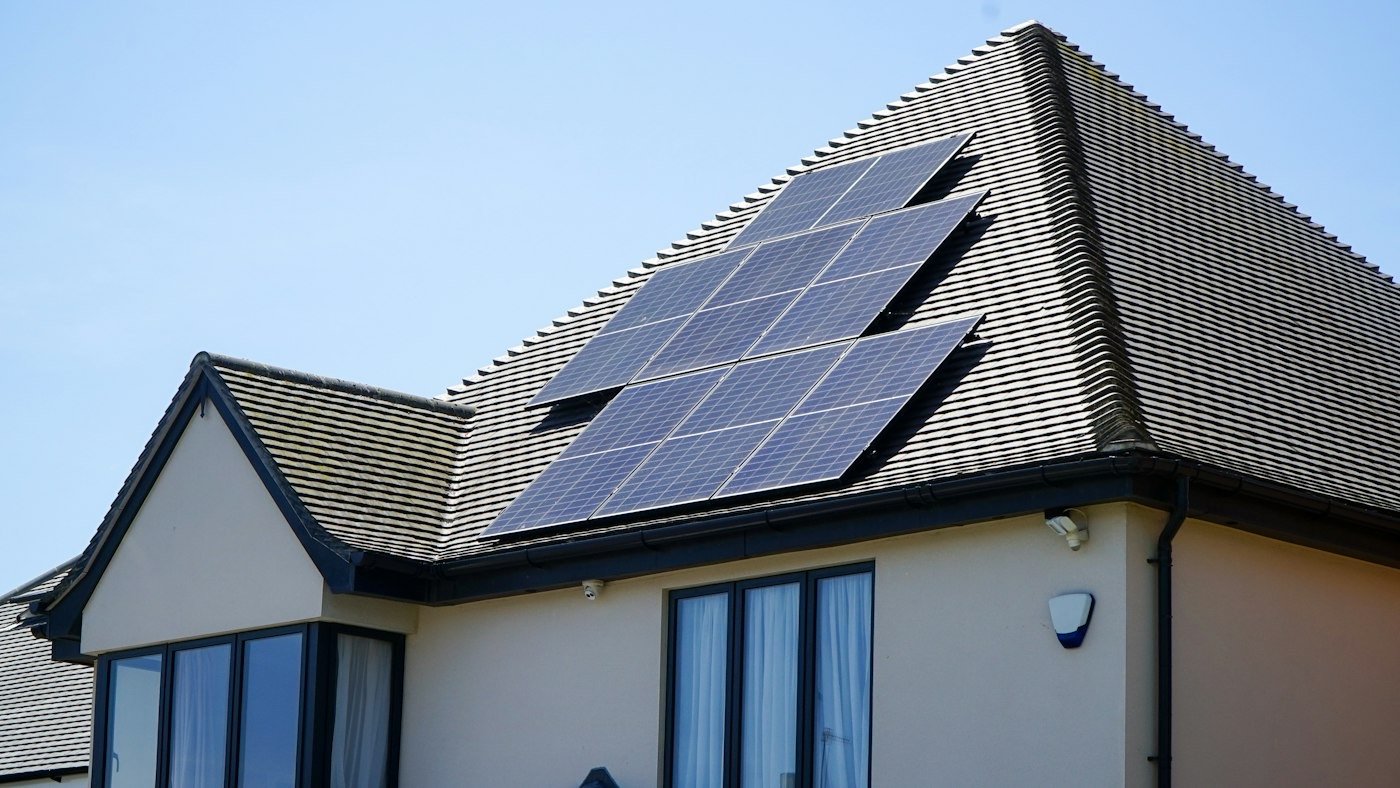
Solar panel efficiency is not fixed on the day of installation. Over time, several factors can reduce output: dirt, the shade of a tree that has grown, a faulty module, an inverter problem, or the condition of the roof on which the panels sit. Many owners never look at their production figures and miss a loss that can be significant. Here is how to understand, monitor and protect the performance of your installation.
What affects solar panel efficiency
Sunshine and orientation
This is the main factor, set at installation: orientation, tilt and local sunshine. In Belgium, a south-facing orientation with a medium tilt gives the best annual output, but east and west orientations remain worthwhile, especially for self-consumption.
Temperature
Paradoxically, panels produce less when they are very hot. Good ventilation under the modules, thanks to enough space between the panels and the roof covering, limits this loss in summer.
Shade
A chimney, an aerial, a tree or a neighbouring building casts a shadow that can affect much more than the shaded area, depending on how the installation is wired. A tree that has grown since installation is a common cause of gradual decline.
Dirt
Dust, pollen, pollution, leaves, moss on the frames and above all bird droppings form a film or spots that reduce the light captured. A dropping on a cell can also cause a hot spot that eventually damages the module.
Ageing
All panels lose a little power each year. This degradation is slow and covered by manufacturers’ performance warranties. A sudden drop is therefore never due to normal ageing.
How to monitor solar panel efficiency
- Check your inverter or its app: most recent installations record production day by day.
- Compare year on year, month by month. A dull month will produce less, but a repeated drop over several months deserves attention.
- Compare with a neighbouring installation of similar size and orientation, if you have the opportunity.
- Watch for error messages from the inverter.
- Look at your panels from the ground with binoculars: spots, marks, leaves, moss on the frames.
A simple habit
Write down the total output of your installation every year. That single figure, compared from one year to the next, is often enough to spot a problem.
Should you clean your solar panels?
Rain rinses off some of the dust, but it is not enough to remove droppings, stuck-on pollen, the greasy film left by pollution or the deposits that build up along the bottom of panels with a low tilt. Regular cleaning is therefore useful, especially in certain situations:
- a house near farmland, a busy road or an industrial area;
- nearby trees that drop leaves, pollen and sap;
- a large bird population;
- panels with a low tilt, particularly on flat roofs.
For most homes, cleaning every one to two years is enough. The gain in output varies with how dirty the panels are: it may be small on a well-tilted installation in a residential area, and much greater in a dusty environment.
How to clean without causing damage
- Pure, demineralised water, which dries without streaks or limescale.
- A soft brush, without excessive pressure.
- Never detergent, abrasives or a pressure washer, which damage the anti-reflective coating and the seals.
- Never on scorching panels: clean in the morning, late in the day or in overcast weather.
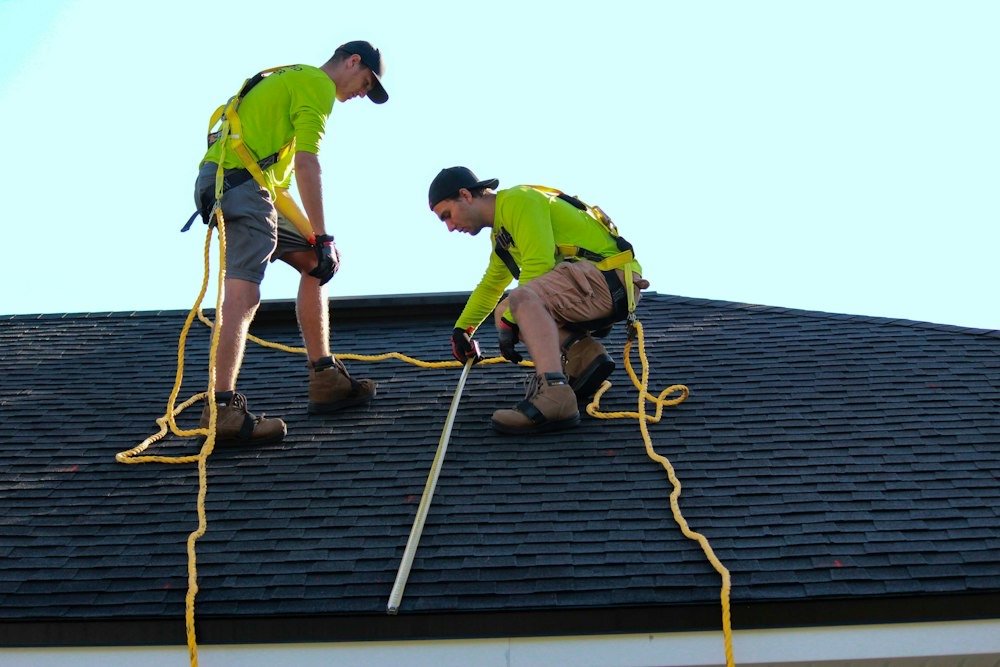
- Never without safety equipment: working on a roof requires fall protection.
The role of the roof in efficiency
It is often forgotten, but the solar installation and the roof form a whole. Several roof problems can affect the panels or be made worse by them:
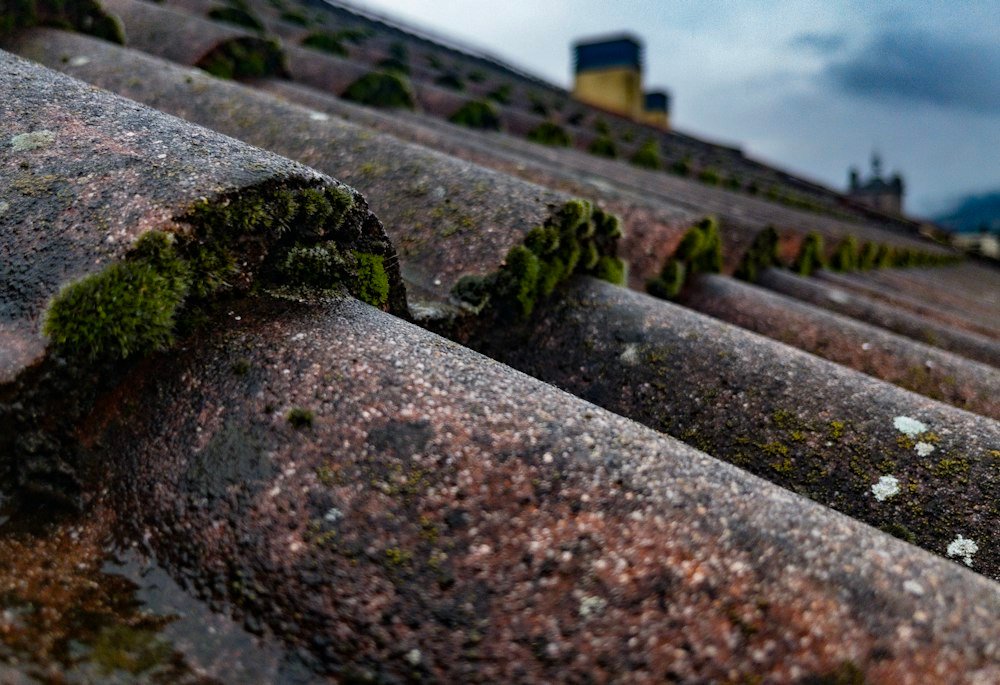
- Moss growing on the covering around the panels eventually spreads onto the frames.
- Leaves build up under the modules, hold moisture and block the gutters.
- Pigeons nest under the panels, soil the modules and damage the cables.
- Mounting hooks that pass through the covering can cause leaks if they are badly sealed.
- A roof that needs renovating under the panels means removing and refitting them: it is better to plan ahead.
If your roof is nearing the end of its life, renovate it before installing panels, or use the renovation to remove and refit them. Our article on when a roof needs replacing helps you assess its condition.
Maintaining solar panel efficiency over time
A few habits are enough to keep an installation performing well throughout its life. Regularly prune trees that begin to cast shade on the roof. Have the panels cleaned when output drops for no weather-related reason. Protect the edges of the modules against pigeons at the first signs of nesting. And have the roof and fixings checked every two or three years. That way, solar panel efficiency stays close to that of the early years, and you get the full benefit of your investment.
The inverter: the underrated link
An inverter generally has a shorter life than the panels themselves and often needs replacing once during the life of the installation. A failed inverter can go unnoticed for days or weeks if nobody looks at the figures. It is therefore worth turning on notifications in the app, so you are alerted as soon as production stops or an error code appears.
When to call in a professional
Call an installer if the inverter shows an error, a module is visibly damaged or output falls sharply. Call a roofer for cleaning, checking the roof around the panels, fitting pigeon-proofing or a leak near the fixings. Our solar panel cleaning service combines both perspectives.
Frequently asked questions
My panels produce less in winter: is that normal?
Yes. The days are short and the sun is low. Compare a month’s output with the same month in previous years, not with summer.
Is snow on the panels a problem?
It stops production while it stays there, but it usually slides off on its own. Never climb onto the roof to remove it.
Can cleaning void the warranty?
Cleaning with pure water and a soft brush matches the usual recommendations. It is harsh products and tools that cause problems.
In summary
Solar panel efficiency depends on sunshine, shade, the cleanliness of the modules and the condition of the roof. Monitor your output every year, have your panels gently cleaned when it is worthwhile, and do not forget the roof that carries them. Our roofers work in Brussels, Walloon Brabant, Hainaut and Flanders.