How do you know whether your roof needs replacing or simply needs a repair? The question matters, because the answer involves very different budgets. Renovating too early means spending money unnecessarily; too late means risking damage to the insulation, ceilings and roof timbers. Every week, our roofers inspect roofs in Brussels, Walloon Brabant, Hainaut and Flanders. Here are the eight signs that, taken together, tell you it is time to act.
1. The age of the roof
This is the first indicator. A concrete tile covering often starts to show its age after thirty to forty years, clay tiles or artificial slates a little later, and quality natural slate much later. But the age of the covering does not tell the whole story: the underlay, battens, fixings and zinc work often age faster. If your house dates from before the 1980s and the roof has never been redone, an inspection is called for.
2. No underlay
Go up into the loft with a torch. If you can see the back of the tiles or slates directly, with no membrane or board between them and you, your roof has no underlay. This is common in older houses. Without an underlay, powdery snow, driving rain and dust get into the loft, and any insulation installed from the inside is exposed. In that case, a full renovation is often the best option.
3. Porous, cracked or flaking tiles
Look at the roof with binoculars. Tiles that change colour in patches, flake on the surface, crack or crumble at the edges have become porous. They absorb water, freeze and deteriorate faster and faster. When this affects a large part of the covering, replacing tiles one by one no longer makes sense.
4. Recurring leaks
A one-off leak after a storm is not a sign that the roof is finished. However, if leaks keep multiplying in different places and every repair reveals a new one, the roof has reached its limits. At that stage, successive repairs end up costing more than a renovation, without solving the underlying problem. Our article on dealing with a roof leak explains how to react in an emergency.
5. Sagging roof timbers
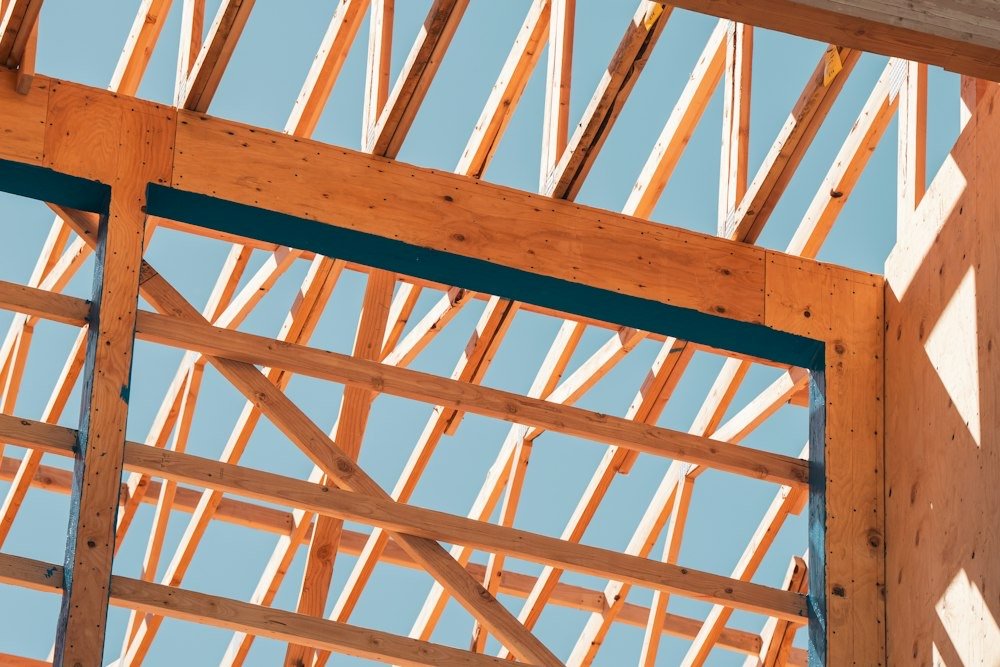
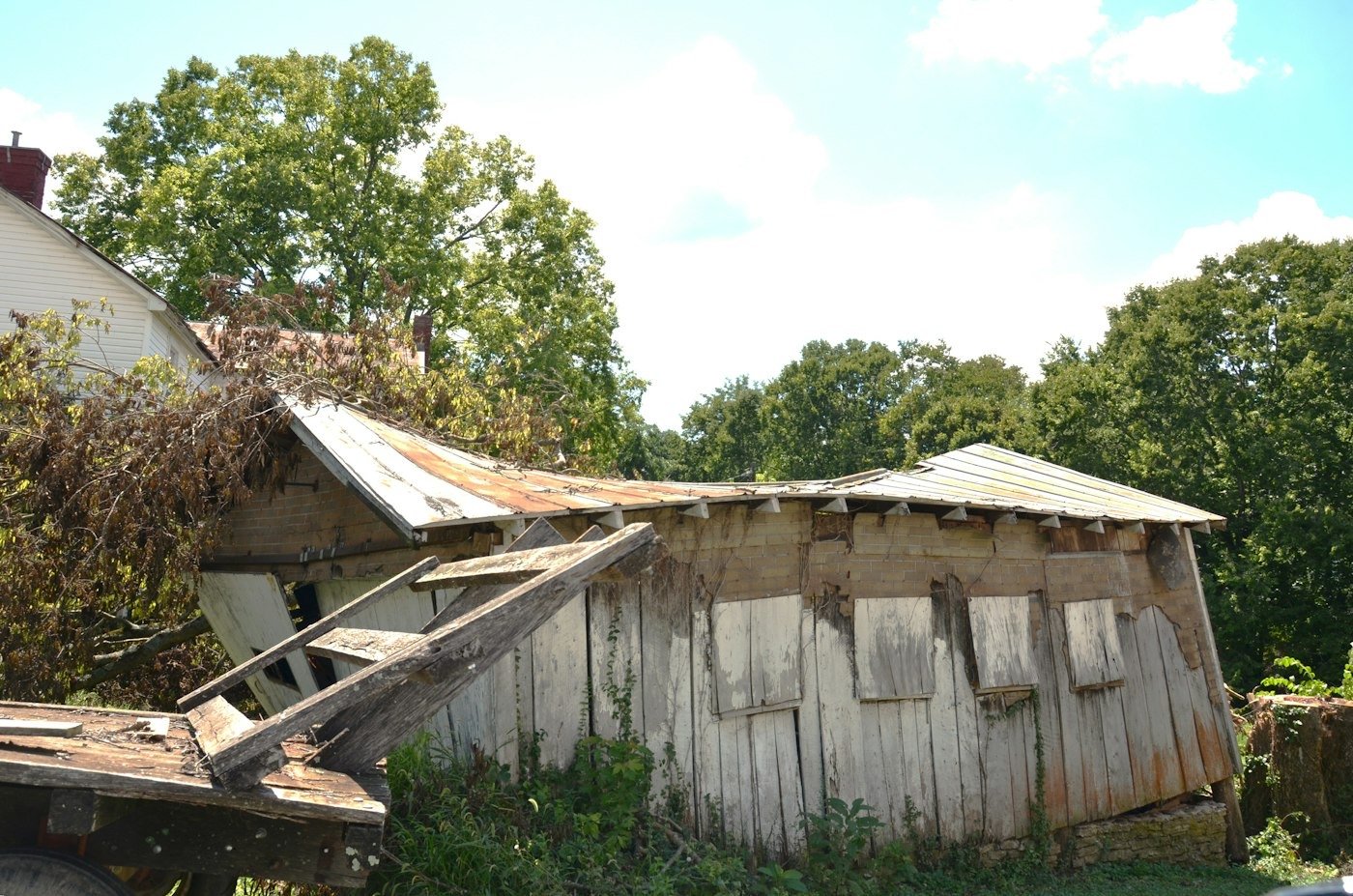
Look at the ridge line from the street. If it is no longer straight, if the slopes are dipping or if bumps appear, the roof structure may have been weakened by damp, insects or overloading. In the loft, blackened, spongy timbers or timbers peppered with small holes are further warning signs. A weakened structure must be treated before or during the renovation of the covering. See our article on roof timber treatment.
6. Invasive moss
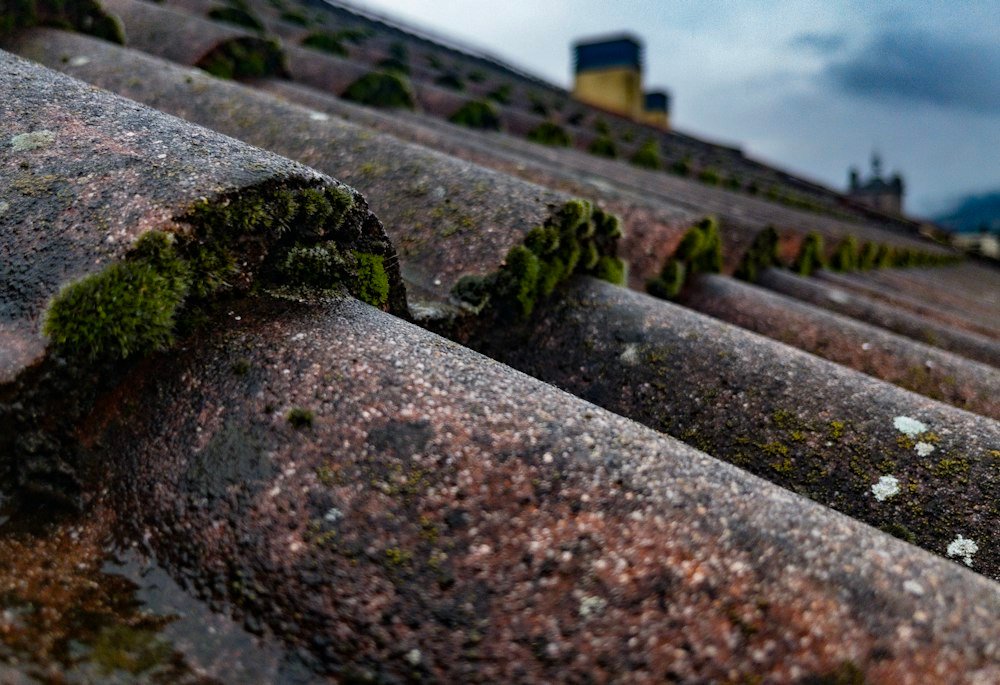
A little moss does not justify a renovation: moss removal is enough. But a roof covered in thick cushions, where tiles are being lifted and the moss comes back very quickly after cleaning, often hides tiles that have become porous. Moss removal will only buy time. See our article on moss on your roof.
7. Missing or inadequate insulation
Rooms under the roof that are freezing in winter and stifling in summer, a high heating bill, snow melting faster on your roof than on the neighbours’: your roof is poorly insulated. If the covering shows other signs of wear, this is the ideal moment to redo everything and insulate from the outside. Our article on sarking insulation compares the techniques.
8. Worn-out zinc work
Perforated gutters, leaking soldered joints, cracked chimney flashings, corroded valleys: zinc work often has a shorter lifespan than the covering. When everything needs replacing at the same time as tired tiles, a full renovation becomes logical and avoids putting up scaffolding several times.
One sign is not enough
It is the combination of several signs that shows your roof needs replacing. An old roof with an underlay, sound tiles and straight timbers can still last a long time with simple maintenance.
How to check without climbing onto the roof
- From the street or garden, with binoculars or a smartphone zoom: tiles, ridge, gutters, moss.
- From the loft, with a torch: underlay, water marks, condition of the timbers, daylight between the tiles.
- From inside the house: stains on ceilings, damp smells, thermal comfort of the rooms under the roof.
- From your documents: year of construction, invoices for past work, EPB certificate.
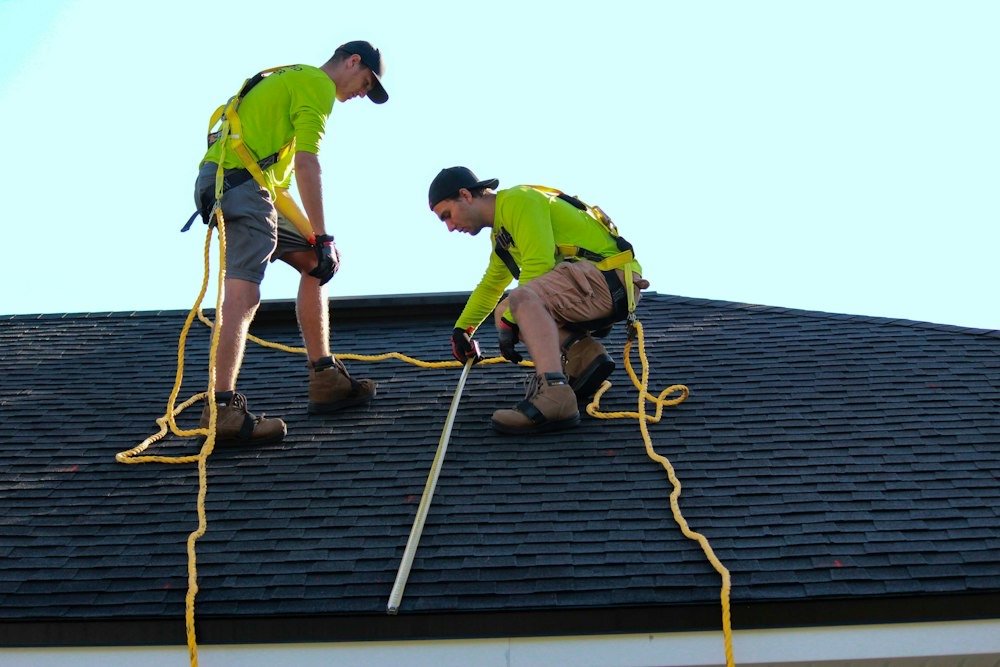
Never climb onto the roof yourself: checking the covering up close is a job for an equipped roofer.
Repair or renovate: how to decide
| Situation | Our recommendation |
|---|---|
| Roof with underlay, sound tiles, localised leak | Targeted repair |
| Sound but dirty roof | Moss removal and treatment |
| Sound but uninsulated roof | Internal insulation |
| No underlay, porous tiles, repeated leaks | Full renovation with insulation |
| Weakened roof timbers | Strengthening or treatment, then renovation |
The right time when your roof needs replacing
Ideally, a renovation is planned before damage sets in. Spring and summer are the most comfortable seasons, but a well-protected site can run all year round. Planning early lets you compare quotes calmly, check whether you qualify for reduced VAT and regional support, and book dates that suit you. Our article on roof renovation cost helps you prepare your budget.
Frequently asked questions
If my roof needs replacing, can it wait a year or two?
Often yes, if there is no active leak and the timbers are sound. Maintenance and a few targeted repairs let you wait. A regular leak, however, should never be left.
Should the whole roof be renovated or just one slope?
You can renovate a single slope, for example the most exposed one. But scaffolding and site set-up are a fixed cost: renovating everything in one go is often more economical.
Do you charge for the inspection?
At Toiture En Ligne, the visit and the quote are free and without obligation.
In summary
You can rarely tell that a roof needs replacing from a single sign, but from several together: age, no underlay, porous tiles, repeated leaks, sagging timbers. If you spot several, have your roof inspected by a professional. Our roofers visit free of charge in Brussels, Walloon Brabant, Hainaut and Flanders and will tell you honestly whether to repair or renovate. Discover our roof renovation service.