Tiles or slates? It is one of the first decisions to make when renovating a roof, and it commits your house for several decades. Both materials are found all over Belgium, from Flemish farmhouses with pantiles to Brussels mansions roofed in slate. Neither is better in absolute terms: it all depends on your house, your budget and your priorities. Here are the criteria to compare.
Tiles: versatile and economical
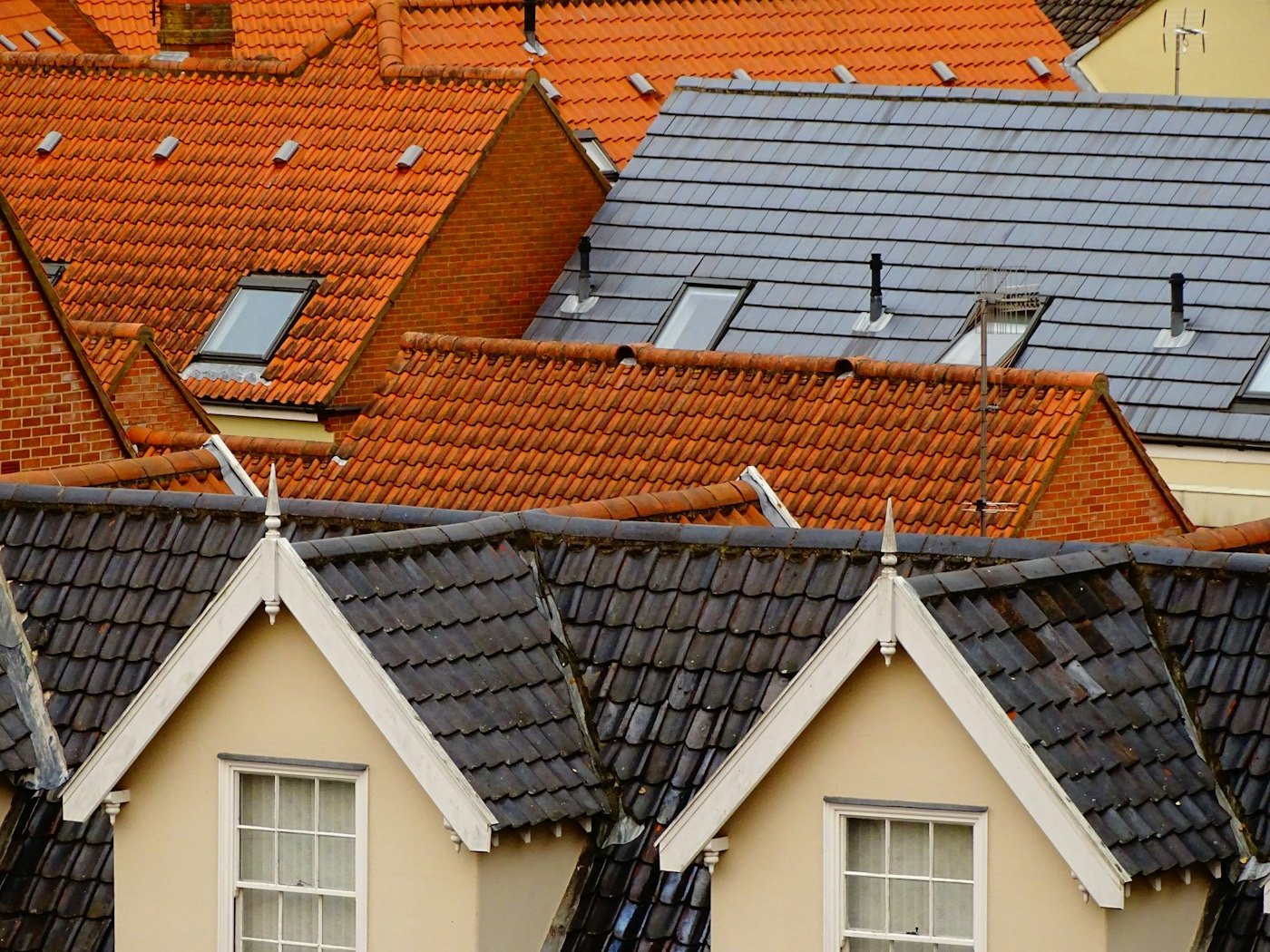
Tiles fall into two families. Clay tiles are natural, durable and keep their colour. Concrete tiles are cheaper and very tough, but their surface colour can fade. There are countless models: Flemish pantiles, interlocking tiles, plain tiles and large formats.
- Price: generally more affordable than natural slate.
- Installation: quick, especially with interlocking tiles and large formats.
- Pitch: interlocking tiles accept lower pitches.
- Repair: simple, a tile is easy to replace.
- Choice: a wide variety of shapes and colours.
Slates: elegance and longevity
Natural slate is a stone, split and cut to size. It gives a fine, understated and timeless look and exceptional longevity. Artificial slate made of fibre cement is lighter and cheaper, with a shorter lifespan.
- Lifespan: a quality natural slate can last more than a century.
- Appearance: a flat, even finish, appreciated on period and contemporary homes alike.
- Complex shapes: slate easily follows turrets, curves and dormers.
- Maintenance: moss clings to it less.
Tiles or slates: the comparison
| Criterion | Tiles | Natural slates |
|---|---|---|
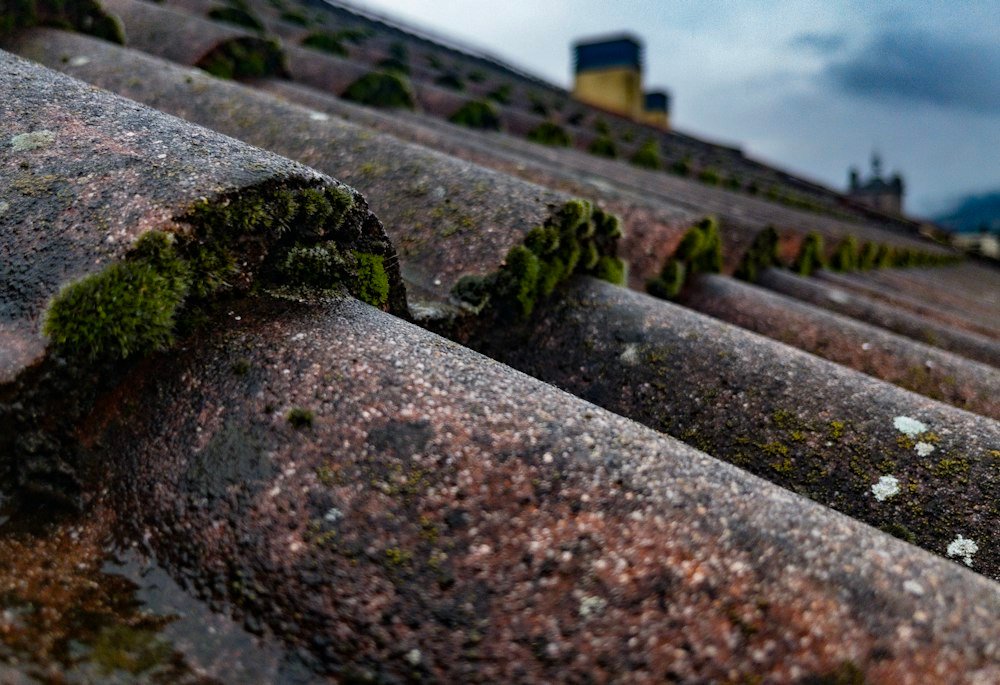
| Lifespan | 30 to 50 years or more depending on type | Often more than 75 years |
| Price of covering only, excluding VAT | €80 to €160/m² | €130 to €200/m² |
| Minimum pitch | Lower with interlocking tiles | Higher |
| Weight | Medium to high | Medium |
| Installation time | Quick | Longer |
| Maintenance | Occasional moss removal | Very low |
| Repair | Very simple | Simple with hook fixing |
The prices shown are indicative ranges observed in Belgium for stripping and re-covering a roof, excluding insulation. They vary with the model, the complexity of the roof and access.
The criteria for deciding
The style of the house and planning rules
This is often the deciding factor. In many municipalities, planning regulations or the character of the area impose a material, a colour or a format. A Brussels mansion in slate will generally have to stay that way; so will a farmhouse with pantiles. Changing material may require planning permission.
Roof pitch
Slate requires a steeper pitch than interlocking tiles. On a shallow roof, tiles are often the only reasonable option, along with zinc or a flat roof.
The roof structure
Concrete tiles are heavy. Switching from a light covering to a heavier one means the roof timbers must be checked. Artificial slate is the lightest.
Budget and time horizon
If you are looking for the cheapest solution up front, tiles win, especially concrete ones. If you are thinking very long term, natural slate, more expensive at the outset, can become competitive thanks to its lifespan and low maintenance.
The real key to durability: the underlay
A covering is only durable if the underlay, battens, fixings and zinc work are too. Choosing a slate that lasts a century and laying it on a cheap underlay makes no sense.
What about insulation?
The choice between tiles or slates has no direct effect on thermal insulation: it is the insulation under the covering that determines performance. However, re-covering a roof is the best time to insulate with sarking. Our article on sarking insulation explains this option.
The alternatives
Other materials deserve your attention too: standing seam zinc or steel for contemporary architecture and low pitches, large-format plain tiles with a look close to slate, or new-generation artificial slates. Our roofers can show you samples and completed projects.
Tiles or slates: what our projects show
On our Brussels projects, natural slate dominates on mansions and townhouses from the 19th and early 20th centuries, while clay tiles cover most of the more recent terraced houses and post-war neighbourhoods. In Walloon Brabant, contemporary villas readily opt for anthracite plain tiles or natural slate. In Hainaut and Flanders, the clay pantile remains very common on farmhouses and traditional homes.
In practice, the decision is often made on site, samples in hand, looking at the neighbouring houses. A covering that matches the street adds value to your property and makes it easier to obtain planning permission if a change is planned. We always bring several samples to the visit so you can compare the colours in natural light, on your own roof.
The cost over time
Comparing tiles or slates on installation price alone is misleading. A covering should be judged on its lifespan and maintenance costs. A concrete tile, cheaper to install, may need replacing sooner than a natural slate. Conversely, a poor-quality slate can delaminate within a few decades: origin and certification matter as much as the material itself.
Tiles or slates when planning permission is needed
If you are thinking of changing material, for example from concrete tiles to natural slate, it is worth contacting your municipality’s planning department early on. We provide the technical data sheets, samples and photos you need for the application, so you avoid delays and know in advance whether your choice will be accepted.
Frequently asked questions
Can tiles and slates be combined on the same house?
It is technically possible, for example slates on the main building and tiles on an extension, but the harmony of the facade and planning rules must be taken into account.
Are slates more fragile than tiles?
A slate can crack under a localised impact, just like a tile. With hook fixing, a broken slate is easy to replace without disturbing its neighbours.
Which roof covering suits a contemporary house?
Natural slate, large anthracite plain tiles and standing seam zinc are the three most common choices for contemporary architecture.
In summary
Tiles or slates: tiles appeal through their price, quick installation and versatility; slates through their elegance and longevity. The style of the house, the pitch, the roof structure and planning rules often guide the choice even before the budget. Discover our tiled roof and slate roof pages, or request a free visit: we will show you samples on site.