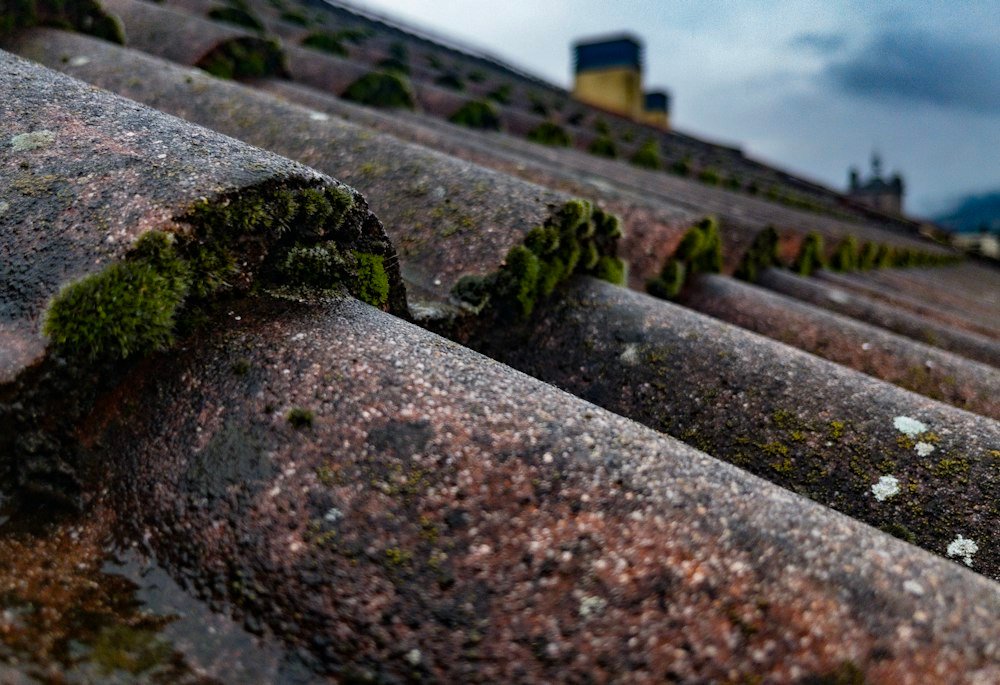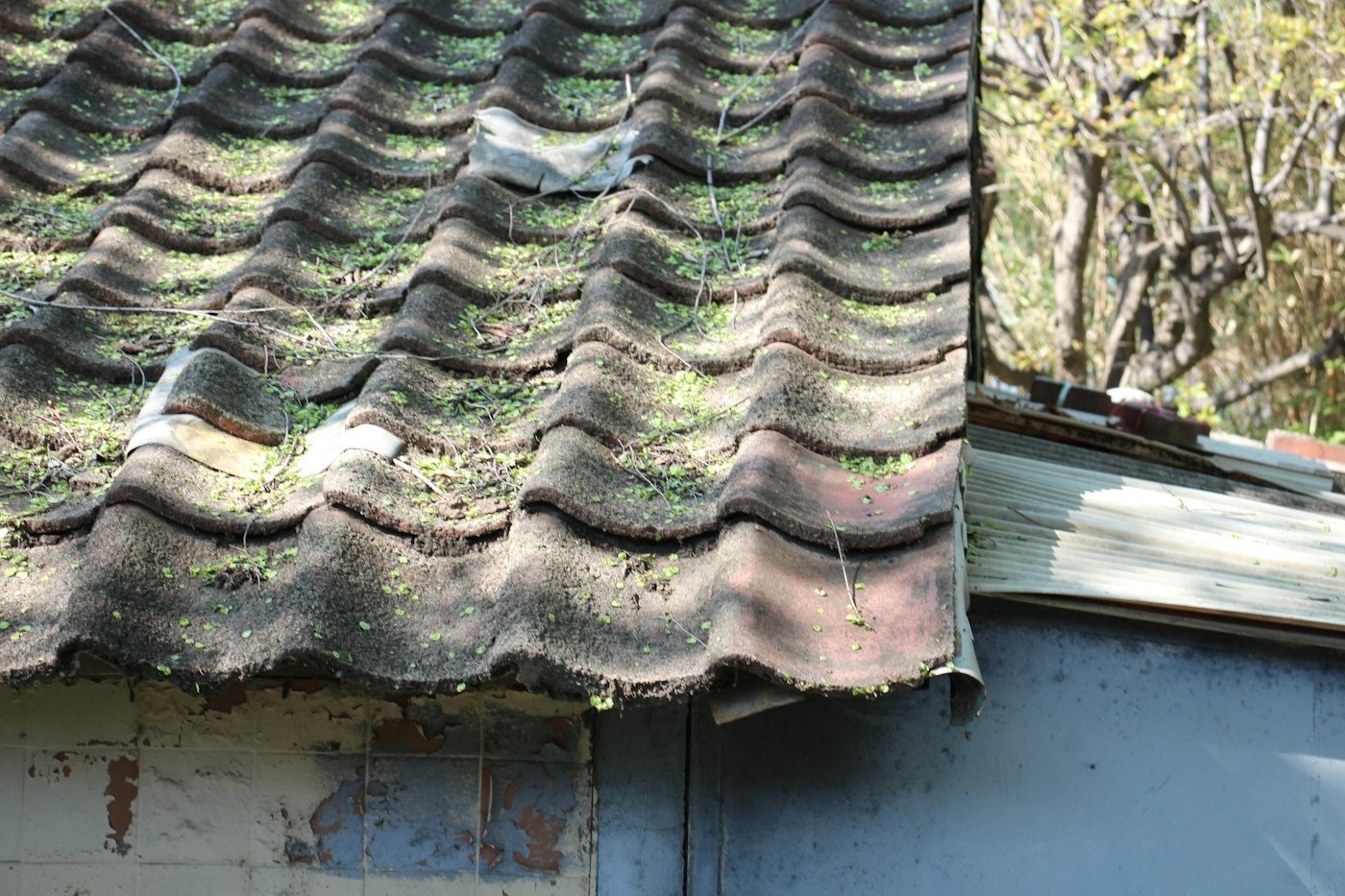
Roof moss removal is about more than appearance. In our damp climate, moss and lichen quickly take hold on north-facing slopes, under trees or in areas that get little sun. They act like a sponge: they hold water against the tile, which becomes saturated and cracks when it freezes. They also lift the tiles, block the gutters and encourage leaks. For 15 years, Toiture En Ligne has been cleaning roofs and removing moss in Brussels, Walloon Brabant, Hainaut and Flanders, using methods that respect the roof covering.
Why remove moss from your roof?
- To extend the lifespan of tiles and slates, by limiting water absorption and frost damage;
- to prevent leaks caused by lifted tiles or by water rising under the overlaps;
- to protect the guttering: moss torn off by the rain ends up in the gutters and downpipes;
- to preserve the appearance of your home, and its value if you are thinking of selling;
- to spot problems: a clean roof reveals broken tiles and hidden weaknesses.
Our roof moss removal method
Badly executed moss removal can do more damage than the moss itself. A powerful pressure washer used at close range strips the surface layer of clay and concrete tiles, makes them porous and speeds up their ageing. We work differently:
- Preliminary inspection: condition of the tiles or slates, the ridge tiles and the guttering, identification of fragile elements.
- Protection of the surroundings, plants, facades and downpipes.
- Manual brushing and scraping of thick moss, by hand, without damaging the covering.
- Low-pressure cleaning, adapted to the material, to remove residues without attacking the surface.
- Anti-moss treatment applied by spraying, which works over time on the remaining spores.
- Water-repellent treatment as an option, on a completely dry roof.
- Gutter and downpipe cleaning, followed by a report with before-and-after photos.
Water-repellent treatment: useful or not?
A water repellent is a colourless product that penetrates the tile and makes it impermeable to liquid water while still allowing it to breathe. It slows the return of moss and limits water absorption by porous tiles. It is particularly worthwhile on concrete tiles and old clay tiles. On a new or glazed tile, or on natural slate, it generally adds nothing, and we do not offer it.
A water repellent does not replace a renovation
A treatment will not repair a cracked tile or a damaged underlay. If your roof covering is at the end of its life, we will tell you and point you towards a roof renovation rather than sell you a pointless treatment.
Which materials can we clean?
Clay tiles
Clay tiles clean very well, provided the process is gentle. Older, more porous tiles often benefit from a water-repellent treatment after moss removal. See our tiled roof page.
Concrete tiles
Their colour coating is fragile: overly aggressive cleaning makes it disappear. We adjust the pressure and favour anti-moss treatment.
Natural and fibre cement slates
Natural slates attract little moss, but lichen can take hold on them. Old fibre cement slates may contain asbestos: in that case, no mechanical cleaning is carried out, and we explain the rules that apply. See our article on the asbestos roof.
Flat roofs
On a flat roof, we remove debris, moss and self-seeded vegetation, and check the condition of the membrane and outlets. See our flat roof page.
How often should moss be removed?
Everything depends on how exposed your home is. An open, sunny roof can stay clean for many years. A north-facing slope under large trees will need roof moss removal more often, typically every five to ten years, with an anti-moss treatment in between. The best times are spring and late summer, in dry weather, when the products can do their work. Our article on moss on roof surfaces sets out the ideal calendar.
Roof moss removal: the mistakes to avoid
- Climbing onto a wet, slippery roof yourself: every year, serious falls happen during this kind of work.
- Using a pressure washer at close range, which scours the tiles and forces water under the covering.
- Using bleach or unsuitable products, which damage the roof covering, the guttering and the plants.
- Applying a water repellent to a damp roof, which traps water instead of repelling it.
- Forgetting the gutters, which become blocked with the moss that has been removed.
How much does roof moss removal cost?
| Service | Indicative price range excluding VAT |
|---|---|
| Moss removal and low-pressure cleaning | €12 to €25 per m² |
| Anti-moss treatment only | €5 to €10 per m² |
| Water-repellent treatment | €8 to €15 per m² |
| Gutter cleaning | included or a fixed fee according to length |
The price depends on the surface area, pitch, height, access and condition of the roof. For a home that is more than ten years old, reduced VAT at 6% may apply.
Moss removal, the moment for a check-up
During the cleaning, our roofers replace broken tiles, refix loose ridge tiles and report any weak points. You receive a photographic survey of your roof. It is often the opportunity to plan minor work calmly, before it becomes urgent. Our roof maintenance guide helps you organise this follow-up.
Why choose us for roof moss removal?
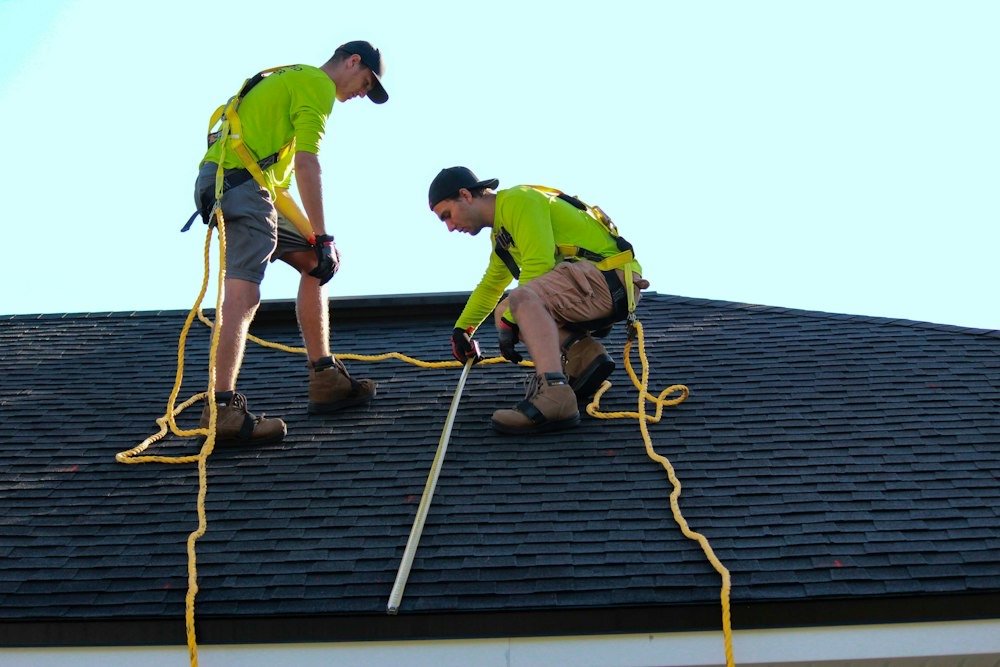
Our technicians are roofers, not just cleaners: they know how to walk on a roof without breaking tiles, how to spot a fragile ridge tile and how to repair on the spot. Roof moss removal is carried out with full safety equipment, and you receive before-and-after photos along with a written guarantee on our work. You can be sure that your roof is not just clean, but sound.
Frequently asked questions
Does moss removal damage the tiles?
Not when it is done at low pressure, with manual brushing and suitable products. It is aggressive high-pressure cleaning that damages tiles.
How long does the effect of moss removal last?
With an anti-moss treatment and, if necessary, a water repellent, a roof stays clean for several years. How long depends largely on exposure and how close the trees are.
Are the products harmful to the garden?
We use suitable products, apply them carefully and protect plants and ponds. We avoid treating in strong wind or just before rain.